
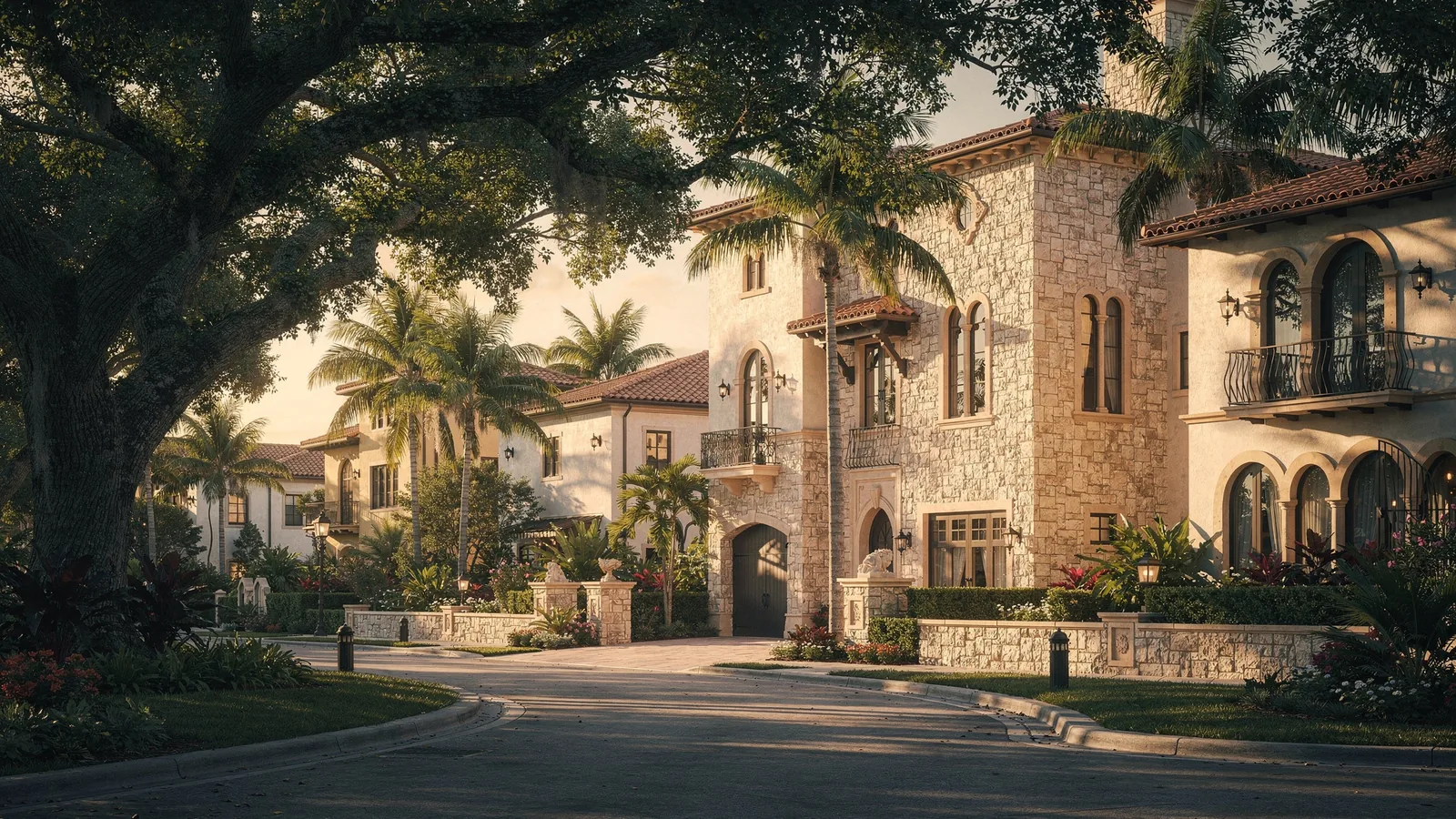
A Coral Gables address tells you the city. It does not prove the full property story. Buyers still need exact parcel, permit, historic-review, flood, school, insurance, tax, condition, title, and cost facts.
Aha Moment: The city name is only the starting point
Two homes in Coral Gables can have very different records, systems, insurance needs, tax bills, flood facts, permit history, and repair plans. Compare the exact property, not only the city label.
What listing language means
Coral Gables, an older home, a large lot, or a historic-style property.
The words help describe the home. They do not prove legal use, permits, historic limits, condition, flood facts, insurance cost, school assignment, title, or total monthly cost.
Separate city, county, and property facts
Coral Gables is an incorporated city in Miami-Dade County.
Start with the City of Coral Gables
- Planning and zoning
- Building permits
- Code checks
- Historic-preservation review
- City parks and public works
Then check Miami-Dade County and other agencies
- Parcel and ownership records
- Property tax
- School assignment
- Transit and some utility services
- Flood and storm information
Historic review may affect the plan
Historic review is a permit and property issue. It is not proof of value or home quality.
- Check whether the property has a historic designation.
- Ask which work needs city review.
- Compare current improvements with permit records.
- Ask whether a planned change needs more approval.
- Use legal and construction experts for complex questions.
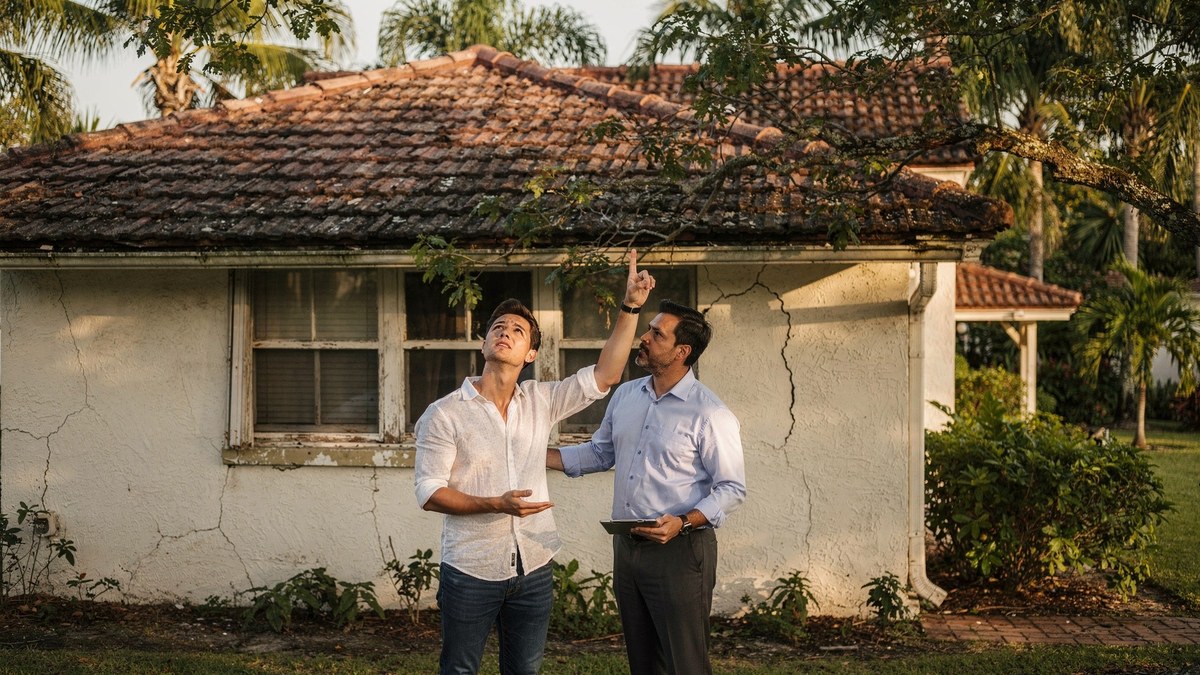
Older homes need a systems review
- Roof age and condition
- Electrical wiring and panels
- Supply and drain plumbing
- Cooling equipment
- Windows, doors, and storm protection
- Moisture, drainage, and site conditions
- Past additions and renovations
- Signs of termite or wood damage
Match the home to the permit record
- Look for open permits.
- Compare additions with public records.
- Ask whether prior work was inspected.
- Check whether the current use matches the record.
- Ask the city or a qualified professional about unclear work.
Flood and insurance facts are address-specific
- Check the exact flood map and elevation information.
- Ask for insurance quotes early.
- Compare roof, wiring, plumbing, windows, and prior claims.
- Ask what coverage and deductibles apply.
- Do not assume a nearby home will receive the same quote.
Verify school assignment by address
School boundaries and programs can change.
- Use the current school-assignment tool.
- Check the exact home address.
- Confirm special programs directly.
- Do not treat school ratings as proof of fit or future value.
Test transportation and daily travel
- Drive the route at the time you expect to travel.
- Check nearby transit options.
- Review parking rules and access.
- Look at noise, traffic, and street work near the exact home.
- Compare weekday and weekend conditions.
Confirm utilities and service responsibility
- Water and sewer service
- Waste and recycling
- Electric service
- Internet options
- Irrigation or private systems
- Who maintains nearby trees, drains, sidewalks, or walls
Approval is not the same as readiness
Getting approved is not the same as being ready.
- Loan payment
- Property tax
- Home insurance
- Flood coverage when needed
- HOA or other fees
- Repairs and maintenance
- Cash kept after closing
Title and legal-use questions need the right professional
- Ownership and title exceptions
- Easements and access
- Survey issues
- Contract terms
- Legal use and occupancy
- Historic restrictions
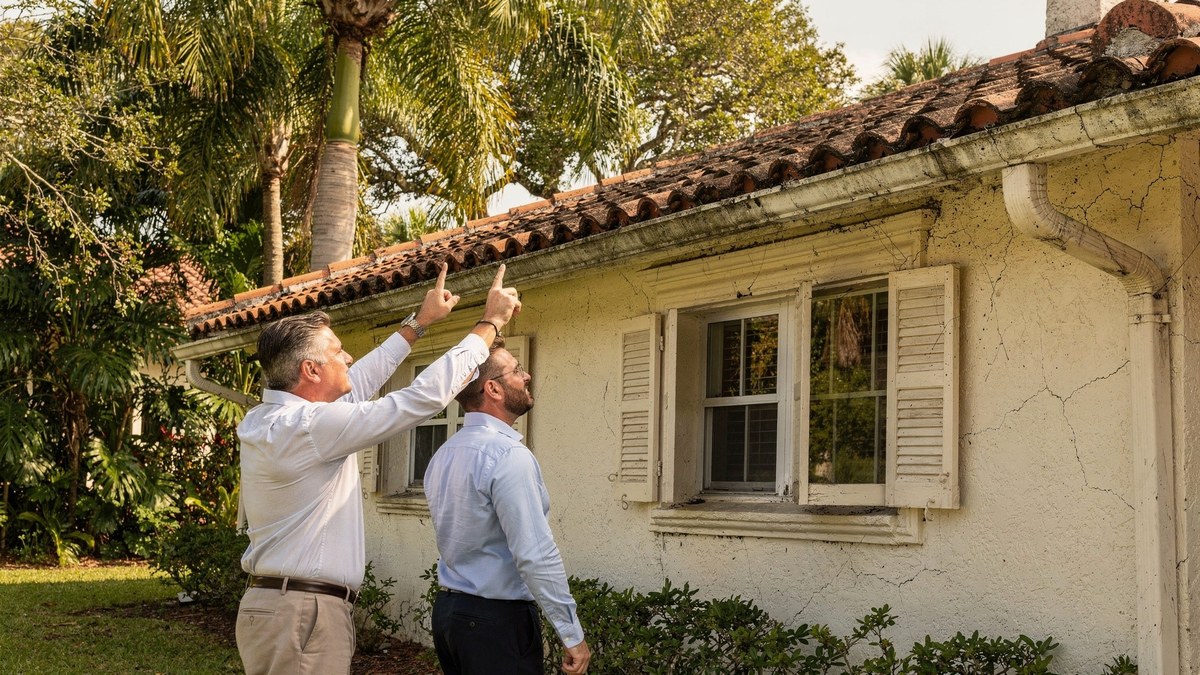
Questions a buyer should ask
- Parcel: Do the home and public record match?
- Permits: Are any permits open or unclear?
- Historic review: Does this home need added city approval?
- Condition: Which systems need specialist review?
- Insurance: What coverage, price, and deductible may apply?
- Flood: What does the exact address show?
- School: What is the current assignment?
- Cost: What will the home cost after closing?
- Title: Are there easements, limits, or unresolved issues?
Useful public sources
- City of Coral Gables: permits, land rules, code, historic review, parks, and city work.
- Miami-Dade Property Appraiser: parcel, owner, land use, and property records.
- Miami-Dade County: tax, county services, transit, utilities, housing, and flood facts.
- Miami-Dade County Public Schools: current school assignment.
- FEMA: public flood-map checks.
Take the next calm step
Start with the exact address. Then use the right records and professionals to check the home, cost, title, insurance, permits, and city rules.
Need help organizing a Coral Gables home review?
Ask Roland a Question