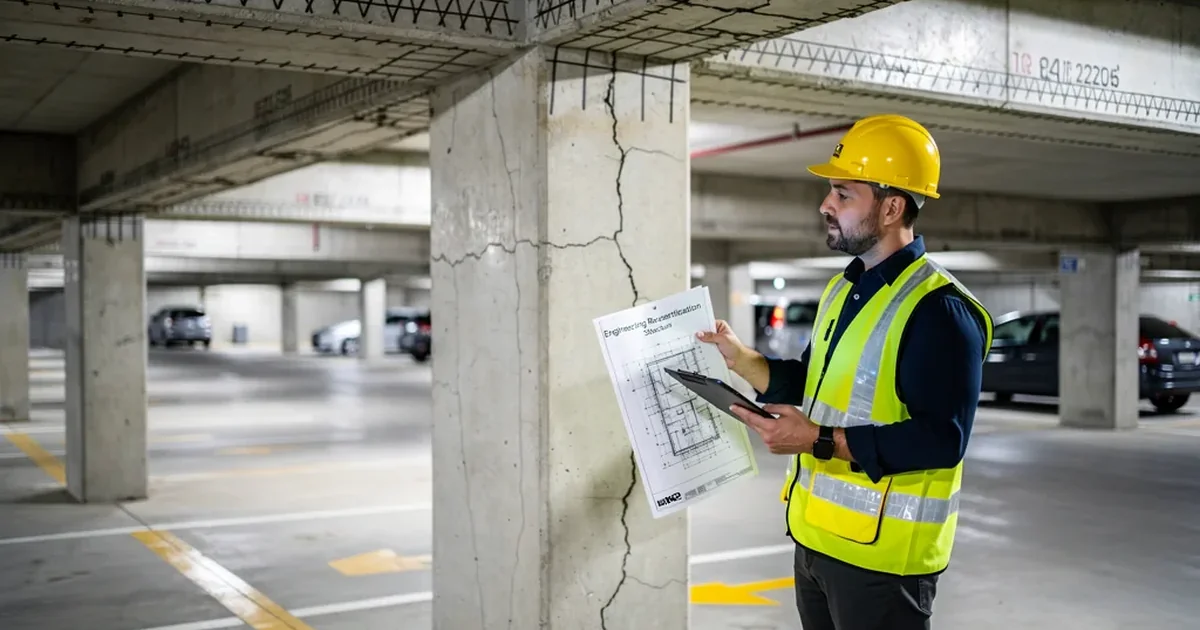
What Is the Miami-Dade 40-Year Building Recertification?
The Miami-Dade County 40-Year Recertification Program requires that all buildings — residential and commercial — that are 40 years old or older undergo mandatory structural and electrical safety inspections conducted by licensed engineers. After the initial 40-year recertification, buildings must be recertified every 10 years thereafter.
The program was established in the 1970s following structural failures in aging South Florida buildings. It was significantly strengthened and expanded following the 2021 Surfside condominium collapse, which killed 98 people and brought national attention to the risks of deferred maintenance in South Florida's aging building stock.
Who administers the program: The Miami-Dade Building Department sends official notice to property owners when their building approaches the 40-year threshold. The owner is responsible for hiring licensed structural and electrical engineers to conduct the inspections and file reports with the county.
Following the Surfside collapse, Miami-Dade significantly strengthened its recertification requirements. The threshold was lowered from 40 years to 30 years for buildings within 3 miles of the coast. Inspection requirements were expanded. Penalties for non-compliance were increased.
If you own or are buying a building constructed in the mid-1980s or earlier in Miami-Dade, a recertification is either imminent or already due. This is not a situation where waiting is a viable strategy.
What the Inspection Covers
The 40-year recertification involves two separate engineering inspections:
Structural Inspection
A licensed structural engineer examines:
- Structural system integrity: Concrete, masonry, steel, and wood structural elements for deterioration, cracking, spalling, corrosion, and deflection
- Foundation condition: Visible evidence of foundation movement, settlement, or deterioration
- Roof structure: Framing, decking, and drainage systems
- Exterior envelope: Walls, windows, balconies, parapets, and facades for structural condition and water intrusion evidence
- Parking structures if applicable
Electrical Inspection
A licensed electrical engineer examines:
- Main electrical panel and service — condition, capacity, and code compliance
- Wiring condition — visible wiring, junction boxes, outlets
- Emergency systems — fire alarm, emergency lighting, exit signs
- Grounding and bonding systems
- Common area electrical systems in multifamily and commercial buildings
What the Recertification Process Looks Like — Step by Step
What Does 40-Year Recertification Cost in Miami-Dade?
| Cost Component | Typical Range | Notes |
|---|---|---|
| Structural engineering inspection | $1,500–$5,000 | Varies by building size and complexity |
| Electrical engineering inspection | $800–$3,000 | Varies by system complexity |
| Minor cosmetic remediation | $5,000–$20,000 | Paint, sealant, minor concrete repair |
| Moderate structural remediation | $20,000–$80,000 | Spalling concrete, balcony repairs, waterproofing |
| Significant structural work | $80,000–$300,000+ | Major concrete, foundation, or structural system work |
| Electrical system upgrade | $15,000–$60,000 | Panel replacement, wiring, fire alarm systems |
The remediation cost range is wide because every building's condition is different. As a licensed GC, I can walk a property facing recertification and provide a realistic pre-inspection assessment of likely remediation scope — before you pay engineering fees. This is particularly valuable in an acquisition context where you need to know the likely total cost before making an offer.
Call me at 305-731-0387 before engaging engineers if you're evaluating a 40-year cert situation as a buyer or a seller trying to understand your position.
How 40-Year Recertification Creates Real Estate Opportunities
This is the part most agents won't tell you — because most agents don't understand the construction side of a 40-year cert situation.
Get personalized guidance on FHA loans, down payment assistance, multifamily investing, and South Florida real estate opportunities — from a licensed GC who'll walk the property with you.
Buildings approaching or undergoing 40-year recertification create specific real estate opportunities for knowledgeable buyers and investors:
For Buyers — Negotiating Power
When a property is under a recertification order or known to be approaching the 40-year threshold, sellers face a compressed timeline and significant uncertainty. A buyer who can accurately quantify the remediation cost has enormous leverage at the negotiating table. Rather than walking away from the property, the informed buyer says: "The remediation will cost $85,000. We're adjusting our offer accordingly."
Without a GC's ability to estimate that $85,000 number, buyers either overpay by not adjusting the offer or underpay by walking away from a deal that pencils at the right price.
For Investors — Motivated Seller Situations
Property owners who receive a 40-year cert remediation order — particularly in estate situations, older owners on fixed income, or investors with poorly managed properties — are often motivated to sell before completing costly repairs. These sellers frequently accept below-market pricing in exchange for a fast, certain close.
Identifying these situations, accurately estimating remediation cost, and structuring an acquisition that accounts for the total cost basis — with appropriate return on the remediation investment — is exactly what a GC-trained commercial real estate advisor does.
Unpermitted Work in Miami-Dade — Related Situations
40-year cert inspections frequently uncover unpermitted additions and modifications made over the building's lifetime. This creates a related but distinct problem that affects both the current owner and any prospective buyer.
Common unpermitted situations in Miami-Dade's older housing stock:
- Converted garages: Garages converted to living space without permits are among the most common findings on Miami-Dade properties built before 1990
- Added units in multifamily: Owners who subdivided units or added rental units without permits. This affects the legal unit count, insurance, and financing eligibility
- Enclosed patios and balconies: Additions that altered the building's exterior envelope without structural review or permits
- Electrical additions: Added circuits, subpanels, or wiring by unlicensed contractors — common in DIY-era renovations
The path to resolution depends on the specific unpermitted work: Some can be retroactively permitted with engineering documentation and inspection. Some require partial demolition and reconstruction. Some require complete removal. As a licensed GC, I assess each situation individually and provide a realistic resolution cost before any transaction proceeds.