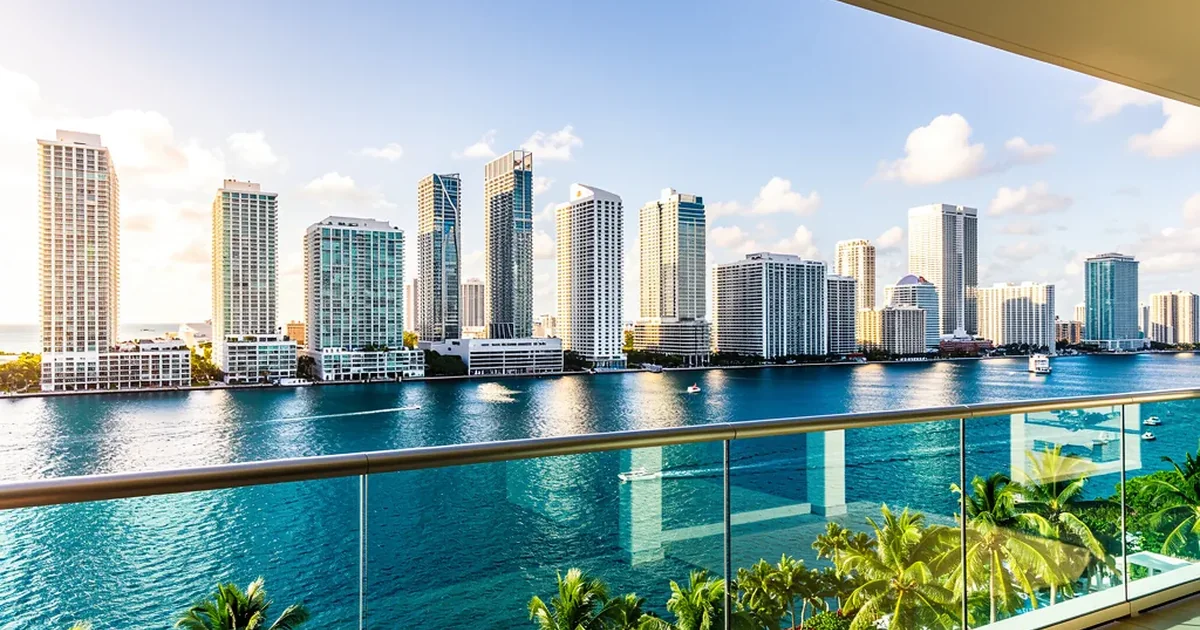
Miami-Dade is one county, but it is not one housing market. A condo near rail, an older city home, and a new South Dade house need different checks. Start with the property, the government in charge, and the full cost of ownership.
Aha Moment: the mailing city may not be the government in charge
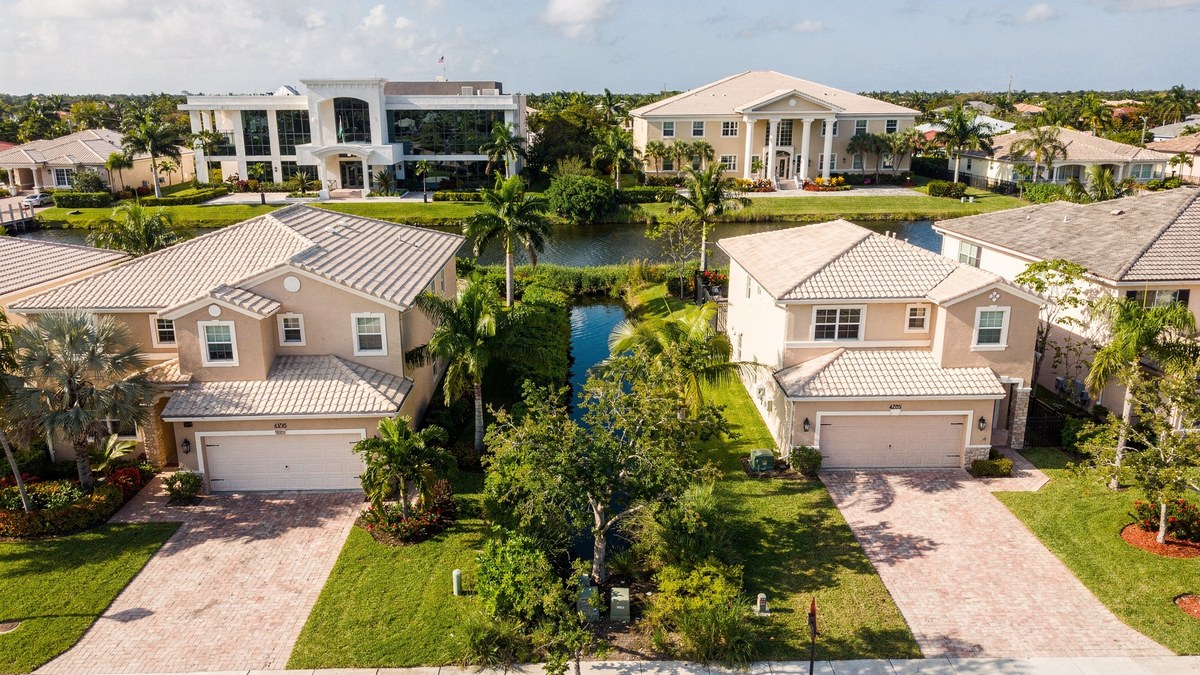
Two homes can share a Miami mailing address and still follow different local rules. One may sit inside a city. The other may be in an unincorporated part of Miami-Dade.
That difference can change where you check permits, zoning, code records, water service, and local rules. Confirm who is in charge before you rely on the address shown in a listing.
Real words, plain meaning
What you may see: Municipality, unincorporated area, or UMSA.
What it means: A municipality is a city, town, or village with its own local government. An unincorporated area is served by Miami-Dade County for many local needs.
Why it matters: The answer helps you find the right office for permits, zoning, records, code questions, and some local services.
Start with the parcel, not the sales pitch
A listing is a starting point. It is not the complete record. Before a major choice, confirm the parcel and owner. Check the legal description and who serves the site.
- Match the street address to the parcel record.
- Check the owner name and recent sales history.
- Review the legal description and land use.
- Confirm the city or unincorporated area.
- Ask which office keeps the permit and code records.
Use the Miami-Dade Property Appraiser as one official starting point. A property appraiser record is useful, but it does not replace title work, a survey, or legal advice.

Check permits, legal use, and open issues
A finished room, extra unit, converted garage, or enclosed porch may look useful. The key question is whether the work was approved and closed in the public record.
Permit history
Look for permits tied to roofs, windows, electrical work, plumbing, additions, pools, and major repairs.
Legal use
Do not assume that the current use is allowed. Verify the approved use and unit count.
Open items
Ask about open permits, expired permits, code cases, and work that never received final approval.
Right office
A city may keep its own records. County offices may keep records outside a city.
Related guides: how to read permit history, open permits and code issues, and unpermitted work.
Flood facts and insurance are property questions
Flood risk is not the same across Miami-Dade. It can change by location, elevation, drainage, building design, and the type of flood map zone. A lender rule and an owner’s comfort level may also be different.
- Check the current FEMA map for the exact property.
- Ask for an insurance quote before key contract dates pass.
- Review flood claims and seller disclosures when available.
- Inspect drainage around the site and nearby streets.
- Ask whether the home has flood openings or elevation features.
Use the FEMA Flood Map Service Center for official map research. Then read Florida flood zones explained and the Florida home insurance buyer guide.
Match the research to the property type
Condo
Review the budget, savings, insurance, fees, inspections, lawsuits, and use rules.
Older home
Study the roof, electrical system, plumbing, structure, permits, drainage, and insurance options.
New construction
Read the builder contract, deposit rules, incentives, HOA or CDD costs, inspection rights, and warranty steps.
Multifamily
Check the legal unit count, leases, rent, costs, insurance, zoning, and utility setup.
Look beyond the home
A home can be a good fit on paper and a poor fit for daily life. Visit at more than one time of day. Test the route to work, school, care, shopping, and the places you use often.
- Check transit choices and real travel time.
- Review nearby parks, libraries, and public services.
- Confirm water, sewer, septic, and waste service.
- Research schools through official sources.
- Visit the area during rain and busy traffic.
- Ask how future road or building work may affect the block.
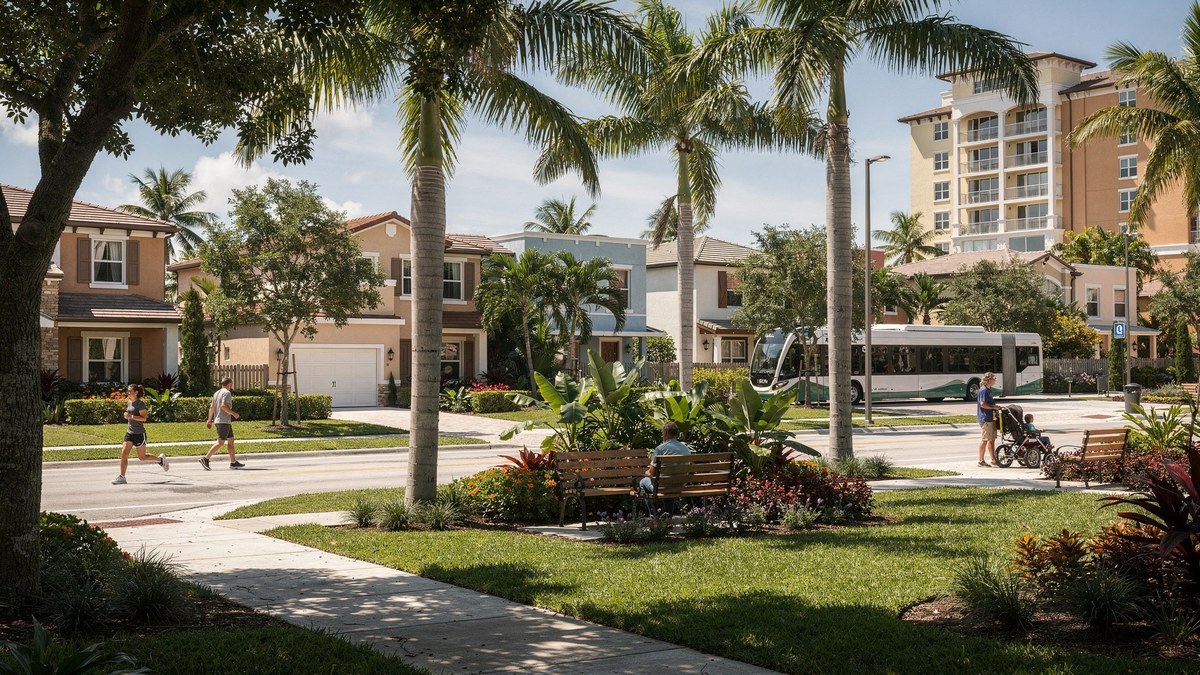
Official research can begin with County transit, Water and Sewer, Parks and Recreation, and Public schools.
Compare the full ownership cost
The listing price is only one part of the decision. Compare the payment and the costs that may change after closing.
- Principal and interest
- Property taxes
- Home and flood insurance
- Condo or HOA fees
- Special assessments
- Utilities and maintenance
- Repairs and future replacements
- Commute and transportation costs
Getting approved is not the same as being ready. Use the Mortgage calculator, budget calculator, and rent-versus-buy tool as planning tools. Check final figures with the lender, insurer, HOA, and tax office.
Choose the right Miami-Dade research path
Official sources worth saving
- Miami-Dade County official portal
- Miami-Dade Property Appraiser
- Miami-Dade building services
- Miami-Dade Clerk official records
- FEMA Flood Map Service Center
A city may keep separate records. Use the official municipal website when the property is inside a city.
Questions to ask before you rely on an answer
- Which government has authority over this property?
- Where can I verify the legal use and unit count?
- Are permits open, expired, or missing?
- What insurance quotes are available for this exact home?
- What costs can change after closing?
- Which issue belongs to an inspector, attorney, lender, insurer, contractor, or government office?
This guide is educational. It does not replace legal, tax, lending, insurance, engineering, inspection, or government advice.