Skip to Main Content
Home / Resources / Investor Education Hub
Investor Education Hub · Financing Guide · Know Your Options Before You Shop

Multifamily
Financing
Florida
Beginners

Conventional · DSCR · FHA Owner-Occ · Commercial — Every Option Explained

Financing a multifamily investment property in South Florida is more complex than financing a primary residence — and your financing choice determines your required down payment, rate, qualification process, and long-term flexibility. Most beginning investors don't know the full landscape of options until they're already under contract and discover their preferred loan structure won't work. This guide covers every option before you need it.

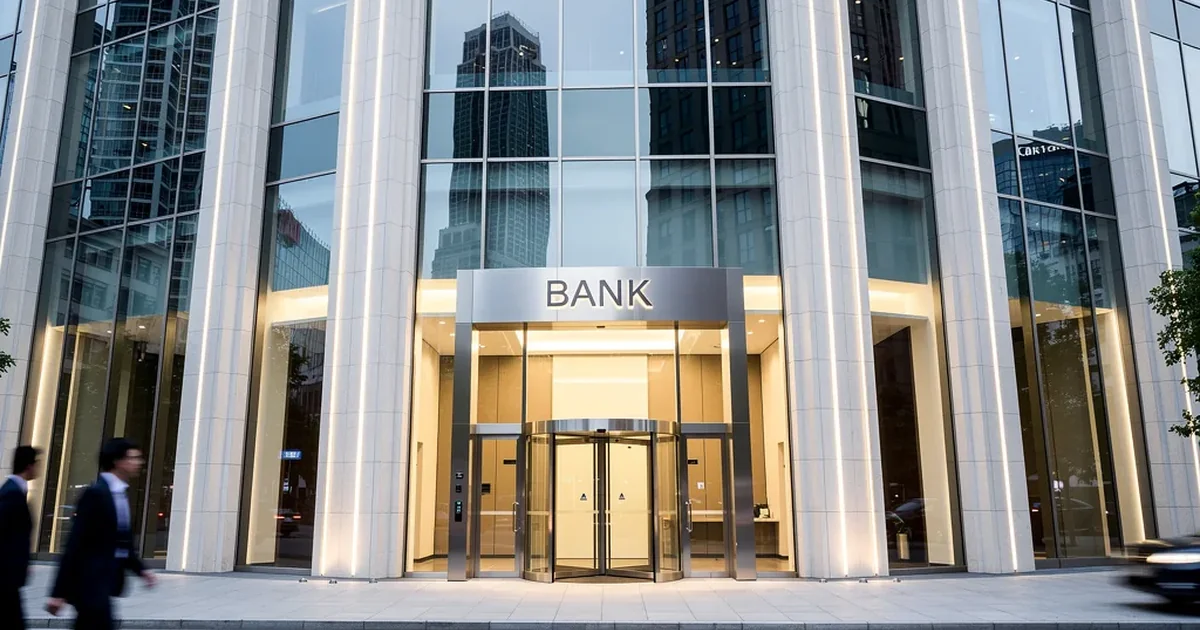
Multifamily financing beginners Florida — modern bank building facade reflecting city skyline
Free Expert Guidance

Get Expert Guidance From a South Florida Realtor

Whether you're buying your first home, investing in multifamily properties, or exploring FHA financing options, schedule a free consultation with Roland Ruiz — the only Realtor in South Florida with 20+ years as a licensed General Contractor.

20–25%
Conventional Investment Down
DSCR
No Income Docs Needed
5+ Units
Commercial Loan Territory
FHA
3.5% Down Owner-Occ

The Full Landscape of Multifamily Financing in Florida

Florida investors have more financing options than most realize — and each serves a different investor profile, property type, and hold strategy. Understanding all options before approaching any lender prevents the common situation where an investor discovers their preferred loan structure is unavailable for their specific property or borrower profile after they're under contract.

Conventional Investment Property Loans (1–4 Units, Non-Owner-Occupied)

The most common financing structure for South Florida investors purchasing single-family, duplex, triplex, or quadplex investment properties without living in one unit:

  • Down payment: 20% for single-family, 25% for 2–4 unit investment properties
  • Credit score: 620 minimum; 680+ for better pricing; 740+ for best rate tier
  • Rate premium: Investment property rates are typically 0.5–1.0% higher than primary residence rates for the same loan amount and credit profile
  • Income documentation: Full personal income documentation required — W-2s, tax returns, pay stubs. For self-employed: 2 years of returns plus year-to-date P&L
  • Rental income counting: Lenders will count 75% of rental income from the investment property toward qualifying income — but typically require a signed lease and sometimes a history of rent collection
  • Max properties: Fannie Mae and Freddie Mac will finance up to 10 properties per borrower using conventional financing. Properties 5–10 have more stringent requirements
  • Best for: Investors with strong W-2 or documented income, good credit, and capital for the larger down payment

DSCR Loans — The Game-Changer for Self-Employed and Portfolio Investors

Debt Service Coverage Ratio (DSCR) loans are one of the most important financing innovations for South Florida real estate investors in the past decade. Instead of qualifying based on your personal income, the loan qualifies based on the property's rental income relative to the debt service.

  • How qualification works: The lender divides the property's gross rental income by the total monthly debt service (PITI). A DSCR of 1.25 means the property generates 125% of the payment — $1,250 in rent for every $1,000 in payment. Most South Florida DSCR lenders require 1.0–1.25 DSCR minimum
  • Down payment: 20–25% typically
  • Credit score: 640–680 minimum depending on lender
  • No personal income documentation: No W-2, no tax returns, no employment verification. The property's income is the qualification. This makes DSCR ideal for self-employed investors, investors with complex tax situations, and portfolio investors with many properties
  • Rate premium: DSCR rates are typically 0.5–1.5% higher than conventional investment rates — the lender is taking on more risk by relying on property income
  • Rental income source: Most DSCR lenders use market rent (from an appraisal, not an existing lease) — which means you can qualify on a vacant property's projected rent
  • Best for: Self-employed investors, portfolio investors who can't qualify conventionally due to depreciation reducing taxable income, and investors wanting to scale without documenting personal income on each deal
📊 DSCR Calculation — South Florida Example

Property: Homestead 3BR/2BA single-family · Market rent: $2,300/month

DSCR loan: $280,000 at 8% = $2,054/month P&I
Taxes: $460/month · Insurance: $500/month · Total PITI: $3,014/month

DSCR = $2,300 ÷ $3,014 = 0.76 — below the 1.0 minimum

To achieve 1.0 DSCR: either rent must be $3,014/month (above market) or the loan balance must be reduced to approximately $210,000 (requiring a larger down payment). This is why DSCR qualification requires realistic rent analysis before purchase.

FHA with Owner-Occupancy (2–4 Units)

The most accessible multifamily financing for investors willing to live in one unit. Covered in detail in the Duplex FHA Guide. Key facts:

  • 3.5% down on 2–4 unit properties
  • 580+ credit score (lenders often require 620+)
  • Must occupy one unit as primary residence
  • 75% of rental income from non-owner units counts toward qualifying income
  • Available for properties up to $994,050 (2-unit) in Miami-Dade and Broward
  • Can be stacked with Hometown Heroes ($35,000) and county DPA programs

Commercial Loans (5+ Units)

Once a property has 5 or more units, it exits residential lending and enters commercial financing territory. The rules change significantly:

  • Loan structure: Typically 5–25 year terms, often with balloon payments, sometimes with interest-only periods. Not the 30-year fixed structure of residential loans
  • Qualification: Based primarily on the property's NOI and DSCR, with personal guaranty required in most cases
  • Down payment: 20–35% depending on property type and lender
  • Recourse vs. non-recourse: Most small commercial loans are full-recourse (your personal assets are at risk). Non-recourse loans are available at larger loan amounts and better properties
  • Lenders: Community banks, credit unions, and commercial mortgage brokers — not the same lenders who handle residential loans
  • Best for: Experienced investors acquiring apartment buildings (5–20 units) as their portfolio scales beyond single-family and small multi-family

Hard Money and Bridge Loans

Free · No Credit Check · 2 Minutes
Wondering What Programs You May Qualify For?

Answer a few simple questions and discover homebuyer programs, financing options, grants, and next steps — tailored to your South Florida situation.

Take The Homebuyer Qualification Quiz ›
  • Hard money: Asset-based short-term financing (6–24 months) at 10–15% interest rates. Qualifies based on property value and equity, not borrower income. Used for BRRRR acquisitions and renovations when the property doesn't qualify for conventional or DSCR financing in its current condition
  • Bridge loans: Short-term financing to bridge from purchase to stabilization (rented and income-producing). Lower rates than hard money (7–10%) for stronger borrower profiles. Used when the property is partially occupied or undergoing light renovation
  • Exit strategy required: Hard money and bridge loans must be refinanced into permanent financing once the property is stabilized. Underwriting your permanent loan structure before taking hard money is essential — don't enter a hard money deal without knowing your refinance exit

Rate and Cost Comparison — South Florida 2026

Loan TypeTypical Rate (2026)Down PaymentIncome DocsBest Use Case
Conventional (invest.)7.0–8.0%20–25%Full W-2/returnsW-2 investors, good credit
DSCR7.5–9.0%20–25%NoneSelf-employed, portfolio investors
FHA (owner-occ, 2–4 unit)6.5–7.5%3.5%Full docsFirst-time investor / house hack
Commercial (5+ unit)6.5–8.5%20–35%Property NOIApartment buildings
Hard money10–15%20–30% equityMinimalBRRRR acquisition + renovation
Frequently Asked Questions
What is a DSCR loan and how does it work in Florida?
A DSCR (Debt Service Coverage Ratio) loan qualifies based on the property's rental income rather than your personal income. The lender divides the gross rental income by the total monthly payment (PITI). Most South Florida DSCR lenders require a ratio of 1.0–1.25, meaning the rent must equal or exceed 100–125% of the payment. No W-2, no tax returns, no employment documentation required — making DSCR the preferred structure for self-employed investors and those whose tax returns show low income due to real estate depreciation.
How much down payment do I need for a multifamily investment in Florida?
For conventional non-owner-occupied financing: 20% for single-family, 25% for 2–4 unit properties. For DSCR: 20–25%. For FHA with owner-occupancy: 3.5% (and eligible for DPA programs). For commercial loans on 5+ units: 20–35% depending on lender and property. The FHA owner-occupancy duplex option is by far the lowest capital entry point into South Florida multifamily.
Can I get a multifamily loan with bad credit in Florida?
With a DSCR loan, credit score requirements are lower than conventional — 640–680 minimum at most South Florida DSCR lenders, with the property's income being the primary qualification factor. Hard money lenders focus primarily on property value and equity — credit score is less critical, though rates increase with lower credit profiles. FHA (for owner-occupied 2–4 unit) requires 580+ but many lenders impose 620+ overlays.
What is the difference between residential and commercial multifamily financing?
Residential multifamily financing (Fannie/Freddie/FHA) covers 1–4 unit properties with 30-year fixed terms, personal income qualification, and standard mortgage structures. Commercial multifamily (5+ units) uses different underwriting (NOI-based), different loan structures (5–25 year terms, balloon payments common), different lenders (banks, credit unions, commercial mortgage brokers), and different regulatory frameworks. The shift from 4 units to 5 units is one of the most significant threshold changes in real estate investment financing.
Silo 4 — Investor Authority
DSCR Loans & Financing
Market & City Pages
Investor Calculators
Investor Hub & Qualification
Written & Reviewed By
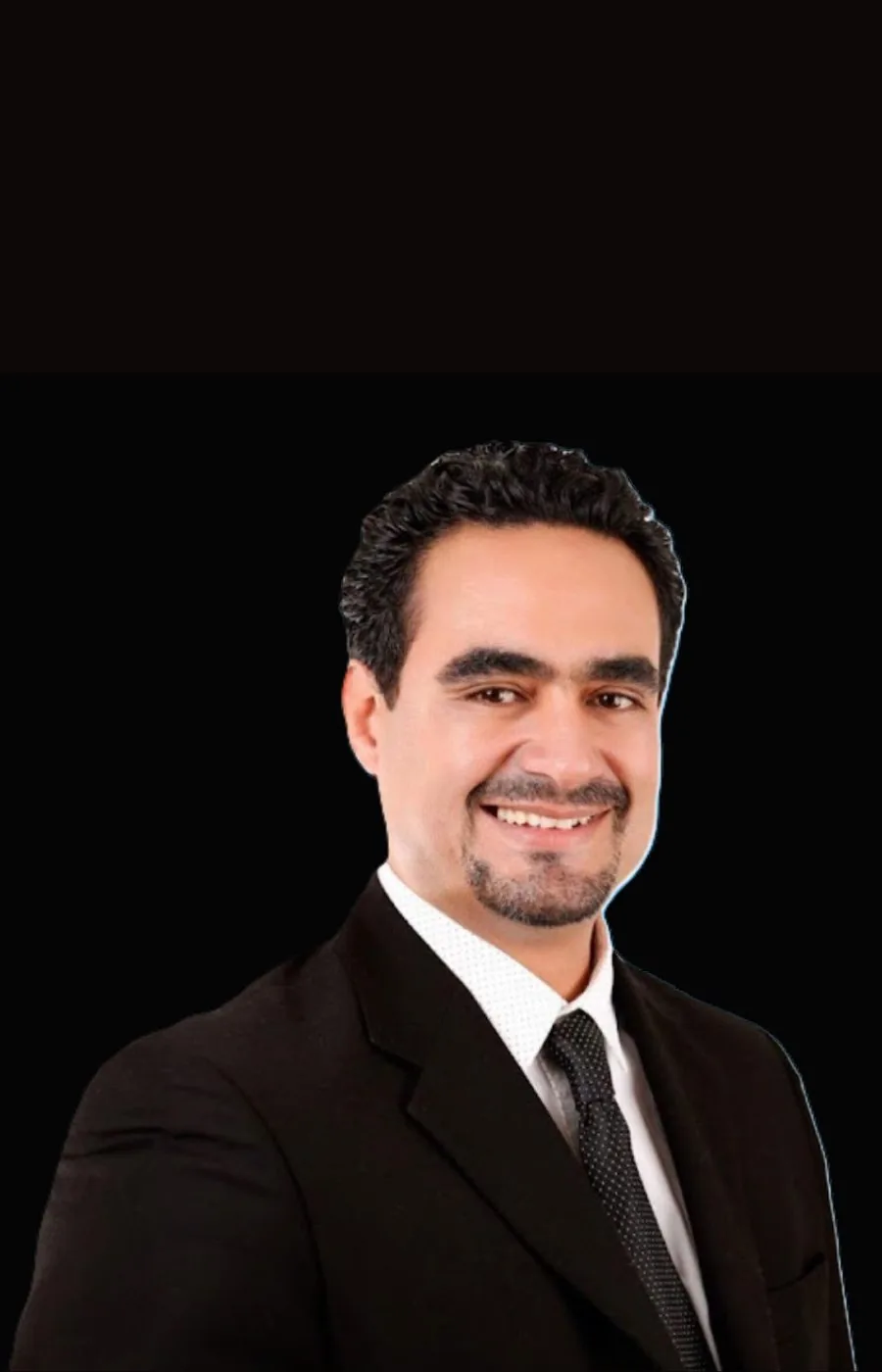
Roland Ruiz
Real Estate Advisor & Licensed General Contractor
FL RE License SL3289724 Licensed General Contractor KW Premier Properties 20+ Years South Florida

Roland Ruiz is a licensed Florida Real Estate Sales Associate (SL3289724) and a 20-year licensed General Contractor affiliated with Keller Williams Premier Properties in Miami. His dual background — the only active combination in South Florida real estate — means every buyer gets a permit-history review, construction quality assessment, and renovation cost estimate built into the transaction at zero additional cost.

Roland specializes in DR Horton new construction in the Homestead corridor, value-add multifamily across Miami-Dade, Broward, Palm Beach, and Collier counties, and Wynwood/Magic City T6 zoning acquisitions for investors targeting vertical density. He writes from active deal experience — not theory.

RE License
FL Sales Associate · SL3289724
GC Experience
20+ Years · Licensed & Active
Brokerage
Keller Williams Premier Properties
Office Address
11440 N Kendall Dr, Ste 405
Miami, FL 33176
Service Areas
Miami-Dade · Broward · Palm Beach · Collier
Specialties
New Construction · Multifamily · FHA/DPA · Wynwood T6
Florida Licensed Real Estate Sales Associate — License SL3289724 · DBPR Florida · Active
Florida Licensed General Contractor — 20+ years active · Specializing in South Florida residential and commercial construction
Keller Williams Premier Properties — 11440 N Kendall Dr, Suite 405, Miami FL 33176
Active Market Coverage — Miami-Dade · Broward · Palm Beach · Collier · South Florida since 2018

Which Financing Type Fits Your Investor Profile?

Before diving into each loan type, use this framework to identify where you likely land based on your situation. Most beginner investors fit one of five profiles:

Florida Multifamily Investor Profile — Loan Matching Matrix
Investor Profile Recommended First Loan Why It Fits Biggest Limitation
First-time buyer, willing to live in one unit FHA (2–4 units) Lowest down payment (3.5%), DPA eligible Must occupy one unit
W-2 earner, strong credit, first investment Conventional (1–4 units) Best rate if you qualify on income Full income doc required; 25% down
Self-employed with low taxable income DSCR No personal income docs; qualifies on rent Higher rate; 20–25% down
Buying 5+ unit building Commercial/Portfolio Only product that works at 5+ units More complex underwriting; shorter amortization
Need fast close on value-add distressed property Hard money / bridge Speed; no stabilized income needed High rate (10–14%); short term (12–24 months)

Most investors use 2–3 different loan products across their first 5 deals. The right loan for Deal #1 (FHA or conventional) is usually not the right loan for Deal #3 (DSCR) or Deal #5 (commercial portfolio loan). The goal is to use the most efficient financing available at each stage of portfolio growth.

What You Actually Need to Close — Capital Requirements by Loan Type

The down payment is only one component of the capital you need at closing. Here is the full picture for each multifamily financing type in South Florida:

Total Capital Required by Loan Type — South Florida 2026 Estimates
Loan Type Min Down Closing Costs (est.) Reserves Required Total Capital — $400K Deal Total Capital — $700K Deal
FHA (owner-occ) 3.5% = $14,000 $8,000–$14,000 1–2 months PITI $25,000–$35,000 $40,000–$55,000
FHA + DPA Stack Down covered $3,000–$7,000 1–2 months PITI $6,000–$12,000 $10,000–$18,000
Conventional (1–4 unit invest.) 25% = $100,000 $8,000–$14,000 6 months PITI $120,000–$130,000 $200,000–$220,000
DSCR 20–25% = $80,000–$100,000 $8,000–$16,000 3–6 months PITI $105,000–$125,000 $175,000–$210,000
Commercial (5+ units) 25–30% = $100,000–$120,000 $15,000–$25,000 6 months NOI $130,000–$160,000 $215,000–$265,000
Hard money bridge 20–30% = $80,000–$120,000 $15,000–$25,000 Varies $115,000–$165,000 $195,000–$270,000

The FHA + DPA stack is dramatically more capital-efficient for first-time buyers: a $400,000 duplex that would require $120,000+ in capital with conventional investment financing can close with $6,000–$12,000 using FHA plus stacked down payment assistance. The tradeoff is living in one unit — a temporary constraint for a permanent asset.

Commercial Loans for 5+ Unit Buildings — What Changes at Five Units

The jump from 4 units to 5 units is the most significant transition in multifamily financing. Below 5 units, you are using residential underwriting standards. At 5+ units, you enter commercial lending, and the rules change substantially.

Residential vs. Commercial Multifamily Financing — Key Differences
Feature Residential (1–4 units) Commercial (5+ units)
Underwriting basis Borrower's personal income + credit Property's NOI (Net Operating Income)
Amortization 30 years standard 25 years typical; some 30-year products
Loan term 30-year fixed standard 5-year, 7-year, or 10-year balloon with 25-year amortization
Appraisal approach Sales comparison (comps) Income capitalization approach (cap rate × NOI)
Recourse Full recourse (personal guarantee) Varies: full, partial, or non-recourse
Down payment 20–25% residential / 3.5% FHA 25–30% minimum
Minimum credit score 580 FHA / 620 DSCR 660–700 minimum for commercial
Income documentation Personal W-2 or DSCR Property operating statements — typically 2 years
Reserves required 6 months PITI 6–12 months NOI

The Bridge-to-Perm Strategy for Value-Add 5+ Unit Properties

South Florida's most compelling 5+ unit deals are often distressed or under-occupied — buildings where the current NOI is insufficient to support permanent commercial financing, but the market rent potential after renovation clearly justifies the purchase price. The bridge-to-perm strategy:

  1. Hard money or bridge loan for acquisition: 65–75% of purchase price, 12–18 month term, 10–13% rate. Designed for speed and flexibility, not long-term holding
  2. GC renovation during bridge period: Renovate units, raise rents to market, stabilize occupancy above 90%
  3. Refinance into permanent commercial loan: Once stabilized, the higher NOI supports a commercial DSCR loan or bank portfolio loan at 5–6.5%. The refinance pulls out capital for the next deal

Roland's GC background is uniquely valuable for bridge-to-perm deals: he can estimate the renovation budget before acquisition, manage contractor selection, and verify quality during construction — all while serving as your buyer's agent at zero extra cost.

Related: Multifamily Investment Strategies
BRRRR Strategy South Florida — Full Guide Value-Add Multifamily Miami-Dade Guide DSCR Loan Florida — Investor Guide GC Renovation Cost Estimator Off-Market Multifamily Deals

The Financing Sequence — From Deal #1 to Portfolio

Most successful South Florida multifamily investors follow a predictable financing sequence as their portfolio grows. Understanding the full arc prevents you from making deal #1 financing decisions that close off deal #3 options.

Stage 1 — First Deal: FHA or Conventional (1–4 Units)

For buyers willing to live in one unit: FHA at 3.5% with DPA stack is the most capital-efficient entry. Total out-of-pocket can be under $10,000 on a $400,000 duplex with maximum assistance. For investors who will not occupy: conventional at 25% down, using personal income to qualify. This is typically the only product available before you have an established rental income history.

Stage 2 — Second and Third Deals: DSCR

Once you have 1–2 properties generating documented rental income, DSCR becomes accessible. More importantly, once your first FHA or conventional property has built equity, you have down payment capital for DSCR deals. Self-employed investors or those with multiple properties hitting the Fannie Mae 10-property limit migrate to DSCR. The key transition: your personal income stops being the qualification mechanism.

Stage 3 — Portfolio Scale: Blanket Loans and Portfolio Lenders

When you have 5–10 properties, individual DSCR loans for each property create administrative complexity and each deal requires full underwriting. Portfolio lenders will cross-collateralize multiple properties into a single "blanket loan" — one loan, one payment, simplified management. Terms: typically variable rate, 70–75% LTV across the portfolio, full recourse, quarterly financial reporting. Less flexible, but dramatically simpler at scale.

Stage 4 — Commercial and Institutional (5+ Units, Syndication-Ready)

Entry-level commercial deals in South Florida start at $1M–$2M for 5–10 unit buildings. Agency commercial loans (Fannie Mae Multifamily Small Balance, Freddie Mac SBL), life company loans, and CMBS become relevant. These products offer the lowest long-term rates (currently 6–7%) with 10–year terms and 30-year amortization — but require 2 years of operating history, professional property management, and detailed financial reporting.

South Florida-Specific Financing Challenges

Insurance: The Lender and DTI Problem

South Florida investment property insurance runs 40–60% above the national average for comparable coverage. On a 4-unit building, annual insurance can run $12,000–$20,000. This matters for DSCR calculations: $1,200–$1,667/month in insurance directly reduces your DSCR ratio. Lenders use their own insurance estimates in the DSCR model — often lower than reality. Get actual South Florida quotes before finalizing your DSCR numbers.

Flood Zone: The Mandatory Additional Expense

A significant portion of South Florida multifamily property sits in FEMA Flood Zone AE, where federal flood insurance is mandatory for any lender-financed property. Flood insurance on a multifamily building runs $3,000–$12,000/year depending on building footprint, construction, and elevation. Coastal Broward and parts of South Dade are particularly affected. Roland's pre-offer assessment includes flood zone verification — a building in an unexpected flood zone can make a deal unfeasible at lender required insurance pricing.

40-Year Certification: A Lender Dealbreaker

Miami-Dade County requires 40-year building certification inspections for structures 40+ years old. Most conventional and DSCR lenders will not finance buildings with active 40-year certification requirements outstanding. The certification process can take 6–24 months and cost $20,000–$150,000+ depending on what structural work is required. This creates distress pricing opportunities for cash buyers, but financed deals on uncertified buildings require specialist lenders willing to escrow certification funds.

Non-Warrantable Condos

FHA, Fannie Mae, and Freddie Mac will not finance condo units in non-warrantable buildings — those with too many investor-owned units (>35% by FHA/Fannie standards), pending litigation, inadequate reserves, or commercial use above thresholds. South Florida has a large number of non-warrantable condo buildings, particularly in beachfront markets. Non-warrantable condo financing requires portfolio or DSCR lenders at higher rates (0.75–1.25% premium) and typically 25–30% down.

Frequently Asked Questions

Can I finance 10 or more investment properties in Florida?

Fannie Mae and Freddie Mac conventional financing caps at 10 financed properties per borrower. For properties 5–10, reserve requirements increase substantially (6 months PITI per property). Once you exceed 10 conventionally-financed properties, you must use DSCR, portfolio lending, commercial financing, or bridge loans. This is why experienced investors transition to DSCR after their first few conventional deals — to avoid the 10-property ceiling.

What is a blanket loan and when does it make sense?

A blanket loan uses multiple properties as cross-collateral for a single loan from a portfolio lender. Instead of individual mortgages on each property, one loan covers the entire portfolio. Blanket loans make sense when you have 5+ investment properties with combined value of $2M+, all in the same or similar markets. Advantages: simplified management, potentially lower blended rate, easier refinancing. Disadvantages: selling one property requires lender approval and possible partial payoff; rate adjustments affect all properties simultaneously.

Do I need an LLC to get an investment property loan in Florida?

No — conventional investment loans and FHA loans are made to individuals. Most DSCR lenders can close in either a personal name or an LLC. Some DSCR lenders prefer LLC ownership for liability reasons and have streamlined their LLC process. Commercial loans are typically made to an entity (LLC or corporation). The asset protection benefit of an LLC is real but separate from the financing question. Roland recommends consulting a real estate attorney on entity structure before deal #1, not after.

Can I use equity from my primary home as the down payment?

Yes — a HELOC or cash-out refinance on your primary residence is an acceptable source of down payment funds for conventional and DSCR investment property loans. FHA has restrictions: borrowed funds (including a HELOC) cannot be used as the FHA down payment for a primary residence purchase. For investment property, lenders evaluate your total debt load: if the HELOC payment significantly increases your DTI, it may affect qualification. The equity-tap strategy is powerful for first-time investors who own a home but have limited liquid capital.

What is the minimum credit score to finance multifamily in Florida?

It depends on the loan type: FHA owner-occupied: 580 (3.5% down) or 500 (10% down). Conventional investment: 620 minimum; 680+ for best pricing; 740+ for best rate tier. DSCR: 620 minimum for most lenders; 640–660 as practical floor. Commercial bank: 660–700 typical minimum. Hard money: credit is less critical — 600+ in most cases. The score that matters most is the middle score from the three major bureaus. Scores in the 620–680 range still access most programs — just not at the best rates.

How do lenders calculate rental income on multifamily properties?

It depends on whether you will occupy a unit. For owner-occupied FHA: the appraiser estimates market rent for the non-occupied units, and the lender counts 75% of that toward qualifying income. For investment property (conventional or DSCR): existing leases are used if at or below market; the appraiser provides a Schedule of Comparable Rents for vacant units. For DSCR specifically: gross rental income ÷ PITI = the qualifying ratio. Lenders do not discount DSCR gross rent for vacancy the way they discount Schedule E income — so a 1.0 DSCR deal has no margin for vacancy.
10
Fannie Mae Property Cap
25%
Conventional Investment Down
3.5%
FHA Owner-Occ Minimum Down
5+
Units = Commercial Underwriting

Determine Your Investor Financing Options — 6 questions to your South Florida investment path.

Compare Florida Loan Programs — FHA, DSCR, Conventional, VA, and Commercial compared side by side.

class="edu-footer-cta" style="background:#181818;border-top:2px solid #D4A017;">

Questions About Financing Your First Florida Investment?

Roland Ruiz brings 20 years of licensed GC renovation experience and commercial real estate underwriting to every investor client. Free consultation.

Roland Ruiz · Licensed GC + RE Advisor
🏢 KW Premier Properties · Miami FL 33176
Verified Client Reviews

Investors Who Worked
With Roland.

5.0
47 Reviews
“Roland modeled the renovation budget before I put in an offer — not a ballpark, actual line items with material costs and labor. His renovation number was within $3,200 of final actual cost on a $210,000 rehab. That kind of precision changes how you underwrite a deal.”
Value-Add Multifamily — 8-Unit Acquisition
Little Havana, Miami
“Roland understood the T6-8 zoning and what we could actually build on the site before we closed. He pulled permit history, identified two open code violations, and helped us get the seller to close them as conditions of sale. Nobody else was doing that level of work.”
Wynwood T6 Land Acquisition
Wynwood, Miami
“I've done 14 deals. Roland is the first agent who has actually walked a property and told me which renovation improvements would get me to market rent versus which ones I'd be spending money on for no return. That GC lens is irreplaceable for value-add.”
BRRRR — Triplex Value-Add
Hialeah, FL
🎉 Google Verified Reviews
5.0 Average Rating
📞 Roland Answers Directly
🔒 Zero Cost Buyer Rep
Take Action Today

Ready To Take
The Next Step?

Roland answers his own phone. No gatekeepers, no referrals to a junior agent. 20 years as a licensed General Contractor means you get a real assessment — not just a showing.

📞
Direct Line
305.731.0387
✉️
💬
WhatsApp
Message Roland
📅 Schedule Free Consultation
Send a Message

🔒 No spam. Roland responds personally within 24 hours.

Message Received!

Roland will be in touch within 24 hours.
For urgent inquiries, call 305.731.0387

Silo 4 — Investor Authority
DSCR Loans & Financing
DSCR Loan Florida Value-Add Multifamily Miami-Dade Multifamily Cap Rate Miami First Investment Property Florida BRRRR Strategy South Florida
Market & City Pages
Real Estate Agent Miami FL Real Estate Agent Fort Lauderdale Real Estate Agent West Palm Beach
Investor Calculators
DSCR Calculator South Florida Cash Flow Calculator South Florida Multifamily Cash Flow Calculator FL
Investor Hub & Qualification
↩ Investor Hub — South Florida 📈 Investor Qualification Quiz Invest with Roland — Overview Value-Add Multifamily Miami-Dade
Your Next Step

Ready To Take The Next Step?

Find out which South Florida homebuyer programs and financing options may fit your situation — in 2 minutes, no credit check required.

Start The Homebuyer Qualification Quiz
Free · Instant Results · Roland Reviews Every Submission
✅ Check Your Eligibility