
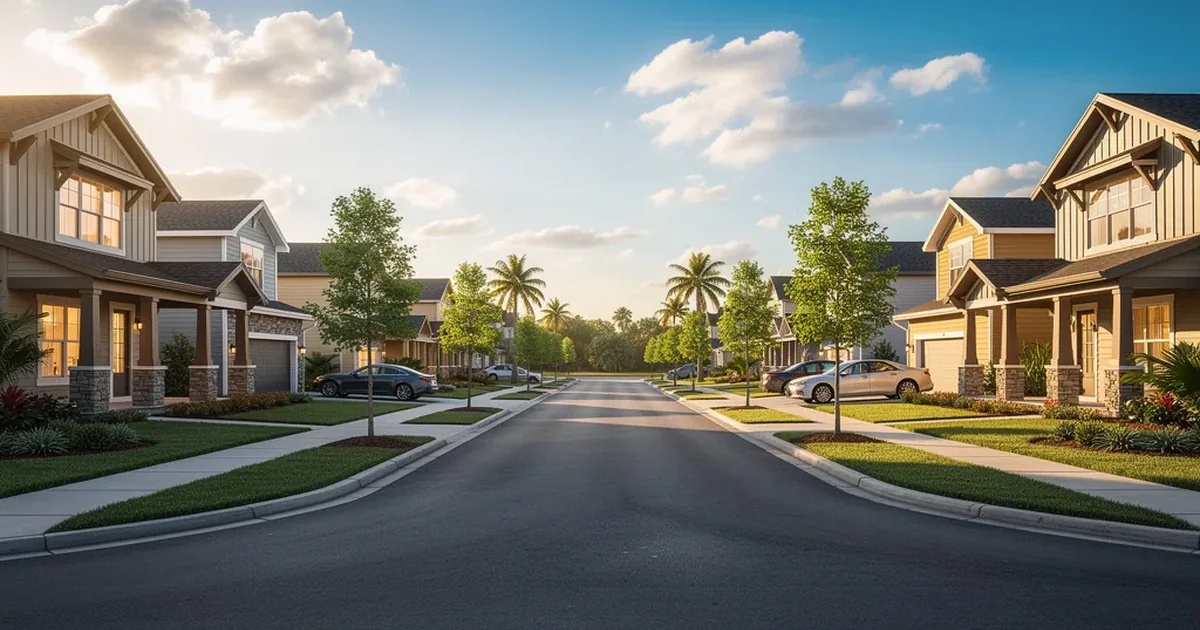
Neighborhood lists can help you start. They cannot decide which property fits your life. Use the listing name as a clue, then verify the exact address.
Aha Moment: The area name may not control the property facts
A listing may say Homestead, South Dade, or a community name.
The parcel may use a different city, school, utility, flood, permit, or insurance source.
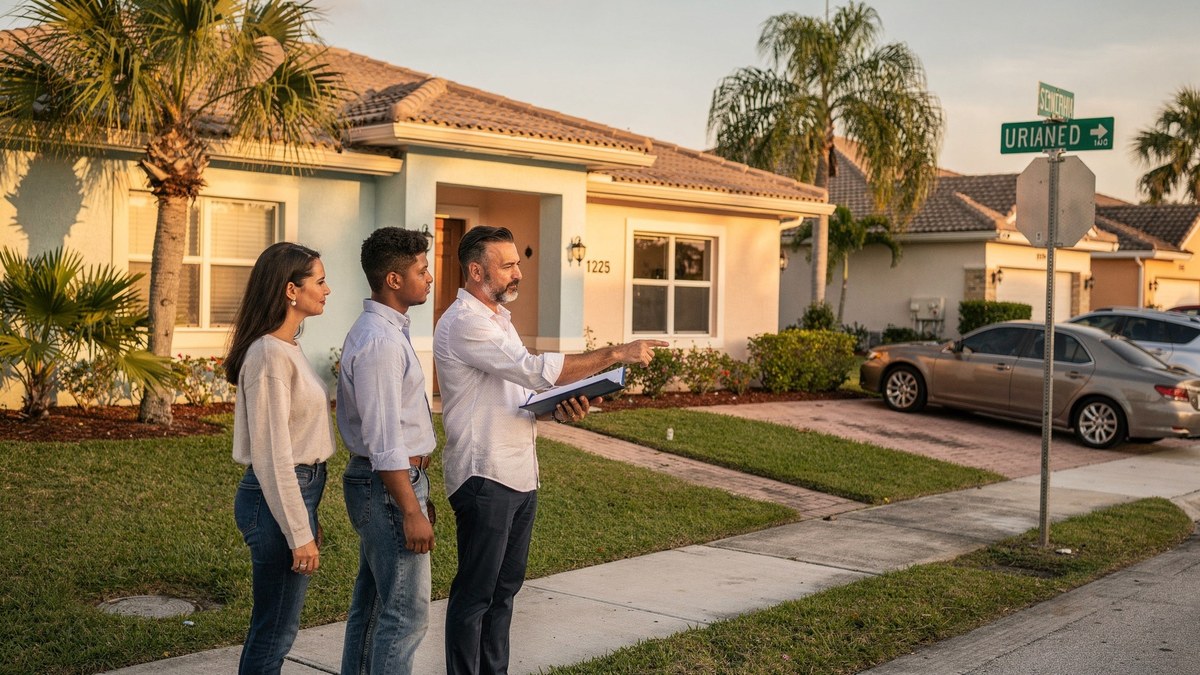
What a neighborhood label really means
“Homestead,” “near Homestead,” or a community name.
The label may describe the general area. It may not show the legal jurisdiction or exact service area.
Start with fit, not rankings
“Best” means the home and area work for your budget and daily life.
- Set a payment limit that leaves room to save.
- Pick a home type you can care for.
- Test the drive at your normal travel time.
- Check flood and insurance facts for the address.
- Read HOA or CDD rules and fees.
- Check the school with the district.
Areas buyers may compare
These are places to study, not a ranking.
- City of Homestead: check city service, parks, permits, power, and home type.
- Florida City: check the drive, flood facts, city rules, and home type.
- Leisure City: check county service, roof age, permits, drains, and home repair needs.
- Princeton: check traffic, schools, flood facts, HOA fees, and home age.
- Naranja and Goulds: check the line on the map, county service, drive time, and home type.
Compare the full monthly cost
Getting approved is not the same as being ready.
Help at closing may lower the cash due that day. It does not make each future bill easy to pay.
- Loan payment
- Property tax
- Home insurance
- Flood coverage when needed
- Loan insurance when needed
- HOA or CDD fees
- Power, water, and home care
- Cash kept for repairs
Compare new and resale homes
Each choice has its own risks. Neither choice is always best.
For a new home
- Read the builder contract.
- Ask about agent sign-up rules.
- List what comes with the home.
- Check HOA or CDD fees.
- Read lender and deal terms.
- Plan each home check and warranty step.
For a resale home
- Check the roof and drains.
- Check wires, pipes, and cooling.
- Read permit records.
- Get an insurance quote.
- Plan for repairs.
- Know the home check deadline.
Check who serves the home
The right office depends on where the parcel sits.
- Check the parcel and city line.
- Find the permit office.
- Check water, sewer, power, and trash.
- Check parks, roads, and bus or trolley service.
- Ask about local fees or special charges.
Check flood and insurance facts
An area name cannot show the full risk for one home.
- Use FEMA and local maps for the parcel.
- Ask for a quote on that home.
- Check roof age and storm parts.
- Ask which home reports may be needed.
- Leave room for rate and fee changes.
Schools depend on the address
Do not use a listing name or old map as proof.
- Use the current school finder.
- Call the district near a school line.
- Check again before closing.
- Do not promise home value from a school name.
Check home condition and permits
A low price may come with high repair or insurance costs.
- Check open and closed permits.
- Check the roof, pipes, wires, and cooling.
- Look for poor drains, bugs, leaks, or cracks.
- Check added rooms or units.
- Keep cash for needed work.
Test daily life
- Drive the route at work time.
- Visit by day and after dark.
- Check parks, food, care, and transit.
- Read parking, pet, and rental rules.
- Ask who runs each service.
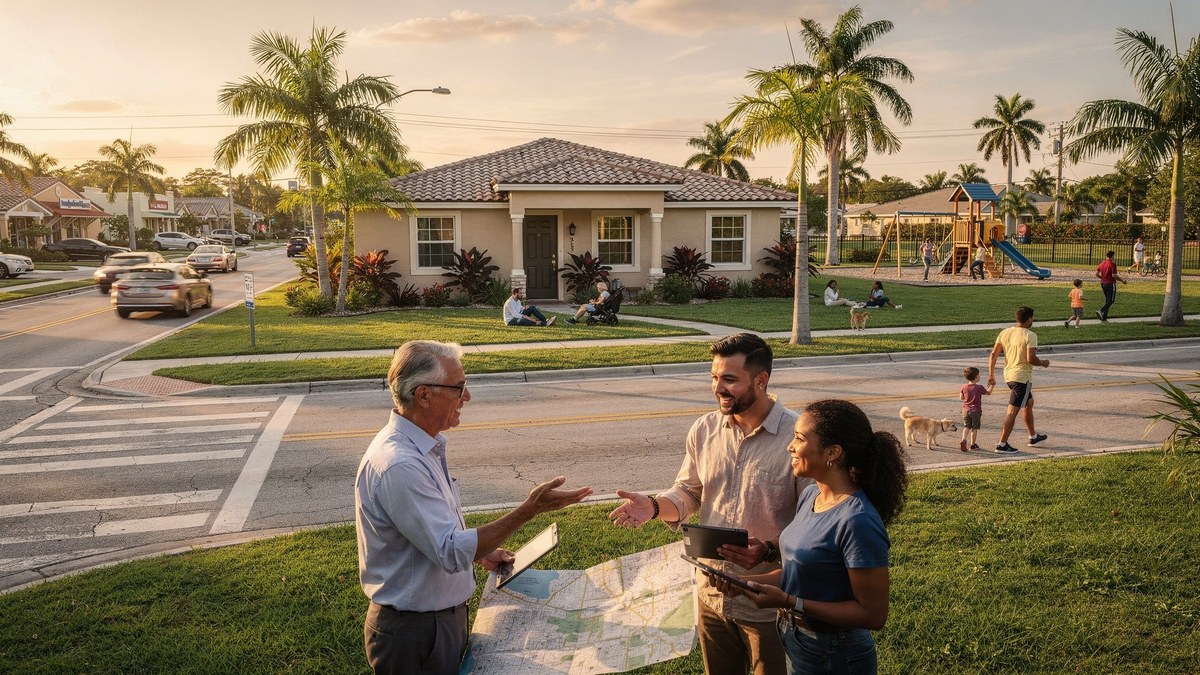
Questions to ask
- Lender: What is the full payment? Which aid terms are firm?
- Insurance agent: What is the quote for this home?
- Inspector: What needs more review?
- Agent: Which sales and deal terms matter most?
- Title or legal professional: Are there title, permit, use, or HOA issues?
Take the next calm step
Pick a few areas. Then compare the exact homes and the full cost.
Need help with a Homestead-area home?
Ask Roland a Question