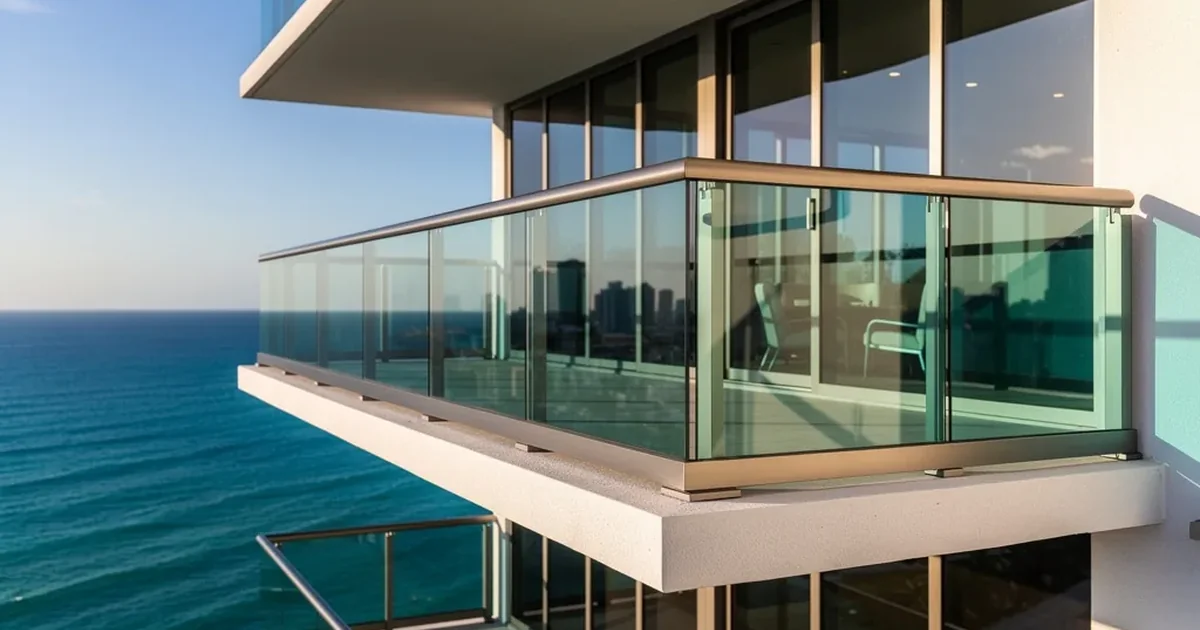
What Changed After Surfside — The New Florida Condo Laws
Florida Senate Bill 4-D (2022) and subsequent legislation enacted the most significant changes to Florida condominium law in the state's history. The key requirements every condo buyer must understand:
- Milestone Inspections: Condominium buildings 3 stories or higher must undergo a Milestone Structural Inspection performed by a licensed engineer or architect by specific deadlines based on the building's age and location. Buildings 30+ years old were required to complete Phase 1 by December 31, 2024. Buildings within 3 miles of coastline: 25 years. Buildings with significant structural findings from Phase 1 must complete Phase 2 (detailed invasive inspection)
- Structural Integrity Reserve Study (SIRS): All condominium associations with 3+ story buildings must complete a Structural Integrity Reserve Study (SIRS) — a comprehensive assessment of structural component conditions and the reserve funding required to maintain them. SIRS must be completed by December 31, 2024 (for most buildings) and updated every 10 years
- Mandatory reserve funding: The most significant financial change — starting January 1, 2025, condominium associations cannot waive or reduce reserves for the structural components identified in the SIRS. Historically, many Florida condo associations had voted annually to waive reserves — putting off capital funding for years. That option is now gone for covered structural components. This has caused significant special assessment activity in associations that spent years with inadequate reserves
- Financial reporting: Enhanced financial disclosure requirements to unit owners and prospective buyers
The transition to mandatory reserve funding — on buildings that may have had near-zero reserves for structural components — has triggered special assessments in hundreds of Florida condominium associations. A special assessment means every unit owner receives a bill for their proportional share of an immediate capital need that reserves don't cover.
Special assessments in South Florida's older condo market range from $5,000 to $100,000+ per unit depending on the building's condition and reserve deficit. A buyer who closes on a unit without reviewing the association's SIRS, reserve study, and current special assessment status may receive their first special assessment bill before their first mortgage payment.
Milestone Inspections — What You Need to Request
Before making any offer on a condo in a building 3 stories or higher that is 25+ years old (or 30+ years old if not coastal), request:

- Phase 1 Milestone Inspection report: The engineer's or architect's assessment of the building's structural condition. Phase 1 is a visual inspection. If Phase 1 found significant structural issues, a Phase 2 (invasive investigation) is required
- Phase 2 report (if applicable): The detailed investigation results and required remediation scope
- Association's response plan: If the inspection found issues, what is the association's remediation plan and timeline? Is the work funded from reserves or is a special assessment pending?
- Current status of any required remediation: Has the work been completed? If not, when, and how is it being funded?
A building that has completed its Milestone Inspection with no significant findings — and has the report available — is in the strongest position. A building where the inspection is overdue, where findings are outstanding, or where the remediation plan is unfunded is a serious concern.
Structural Integrity Reserve Study (SIRS) — What It Means for You
The SIRS is essentially a long-range capital planning document that identifies which structural components need replacement or repair over a 20-year horizon and how much money the association must accumulate to fund them. Before making an offer, request:

- The most recent SIRS report: Date of completion, which components are included, the estimated life and replacement cost for each
- Current reserve fund balance: How much money does the association currently have in reserves for structural components versus how much the SIRS says is required?
- Reserve funding percentage: Is the association currently 50% funded? 80% funded? An underfunded association is more likely to levy special assessments to cover the gap between required and actual reserves
- Annual contribution rate: How much is the monthly HOA fee contributing to structural reserves? If it's not enough to close the funding gap within a reasonable timeline, special assessments are likely
What to Request from the Association Before Any Condo Offer
Florida law requires associations to provide specific documents to prospective buyers. Always request and review all of these before going under contract:
- Declaration of Condominium and all amendments
- Articles of Incorporation and By-Laws
- Rules and Regulations
- Most recent 3 years of annual financial statements
- Current operating budget and reserve schedule
- Structural Integrity Reserve Study (SIRS)
- Milestone Inspection reports (Phase 1 and Phase 2 if applicable)
- Minutes of the last 3 annual meetings and any special meetings
- Pending or approved special assessments — this is the most critical document
- Current pending litigation involving the association
- Estoppel letter (confirming the seller's account is current and any known current assessments)
FHA Condo Approval — Significantly More Complex Post-Surfside
FHA financing for condominiums requires the entire building to be on HUD's approved condominium list. After Surfside, HUD significantly tightened the requirements for FHA approval — specifically:
- The association must be financially stable with adequate reserves
- The building must have completed required Milestone Inspections with no outstanding critical findings
- The association must have a satisfactory SIRS or equivalent reserve study
- Owner-occupancy requirements must be met (typically 51%+ owner-occupied)
- No more than 10% of units can be owned by a single entity
- No pending or recent litigation that threatens the association's financial stability
Answer a few simple questions and discover homebuyer programs, financing options, grants, and next steps — tailored to your South Florida situation.
Take The Homebuyer Qualification Quiz ›Many South Florida condo buildings that were previously FHA-approved are no longer — their SIRS or Milestone Inspection status has disqualified them. Always check the current HUD approval status at hud.gov before making any FHA offer on a condo.
GC Assessment for Condo Purchases
Even in a condo, a GC assessment adds value beyond the association documents. What I assess on every condo purchase:
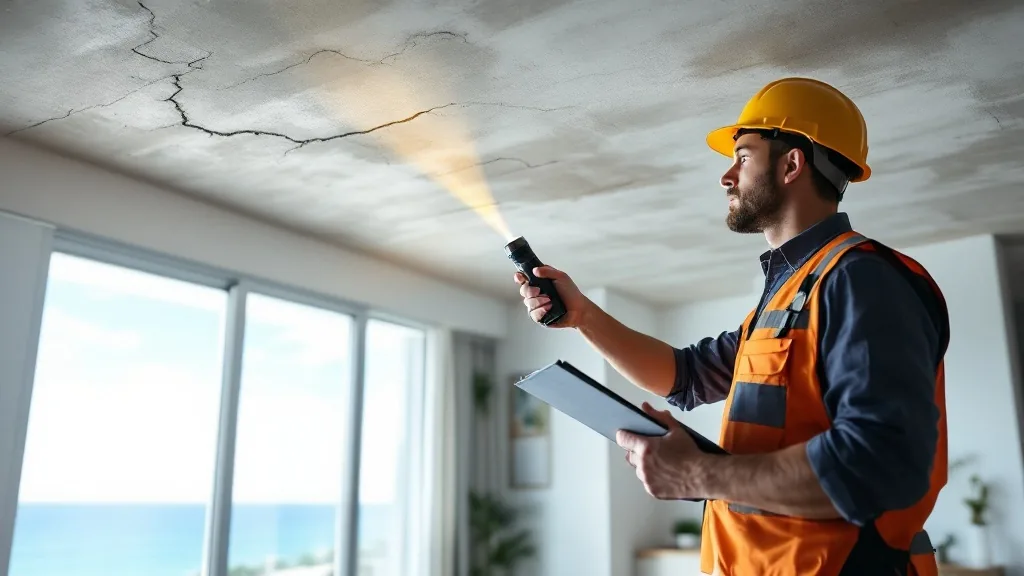
- Unit-specific systems: The AC system, water heater, electrical panel within the unit, and any plumbing fixtures. These are typically the unit owner's maintenance responsibility regardless of what the association does with common areas
- Visible structural elements within the unit: Any cracks in concrete elements, moisture staining on ceilings (indicating possible unit above leak), window and door seal conditions
- Building common area visible condition: The condition of the lobby, hallways, elevators, and parking structure that are observable during a unit visit tells a story about how the association has maintained the building. A well-maintained lobby and hallways suggest an active and responsive association; deteriorating common areas suggest deferred maintenance
- Balcony and railing condition: Post-Surfside, balcony conditions are specifically flagged in Milestone Inspections. I assess the balcony structure, railing attachment, and waterproofing condition visible from the unit