
Pre-Qualification vs. Preapproval — The Difference That Costs Deals
These two terms are used interchangeably by many buyers — and that confusion costs deals. They are not the same, and sellers and listing agents know the difference immediately:

- Pre-qualification: A quick estimate based on numbers you provide verbally or through an online form — no document verification, no credit pull from this page from this page. Takes 5 minutes online. Worth very little in a competitive offer. Sellers and their agents treat pre-qualifications as unverified self-reporting
- Pre-approval: A full underwriting review where the lender verifies your income, employment, assets, and credit through actual documents. Takes 24–72 hours. Results in a written commitment letter stating the loan amount may fit. Sellers take this seriously
- Fully underwritten preapproval (TBD approval): The strongest form — the underwriter has reviewed and approved everything except the specific property (To Be Determined). In competitive South Florida situations, a fully underwritten letter can differentiate your offer from equally-priced offers with standard preapprovals
In South Florida's market, sellers routinely reject offers not accompanied by a solid preapproval letter. This is not a formality — it's how listing agents filter serious buyers from lookers. In the Homestead corridor's DR Horton communities, the sales team is required to verify financing before registering a buyer for lot selection.
Get prepared for lender review before you fall in love with a property. Doing it after means you may lose the home while waiting for the letter.
Documents You Need for Preapproval — Have These Ready Before You Call
The preapproval process moves at the speed of your document submission. Buyers who have these ready before contacting a lender get letters in 24–48 hours. Buyers who gather documents reactively take 1–2 weeks:
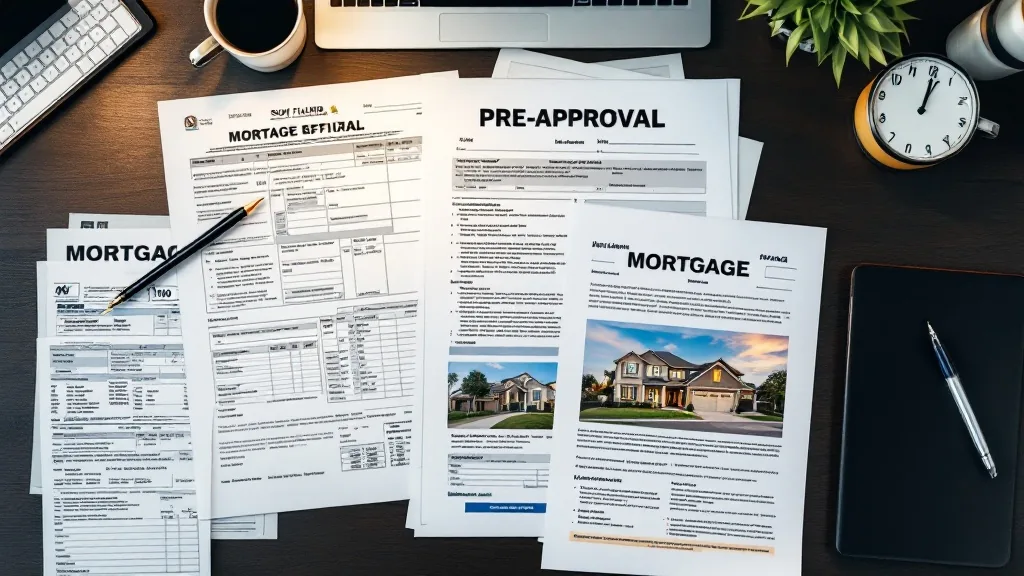
- Income verification: W-2 forms for the past 2 years (all employers). Most recent pay stubs covering 30 days. If self-employed or commission-based: 2 years of complete federal tax returns (all schedules), year-to-date profit and loss statement
- Asset documentation: Bank statements for the past 2–3 months — all pages, all accounts (checking, savings, investment). Retirement accounts (401k, IRA) statements. Any gift funds must have a gift letter from the donor and documentation of the transfer
- Identity and residency: Government-issued photo ID. Social Security number for all borrowers. If non-citizen: permanent resident card or qualifying visa documentation
- Debt documentation: Most recent statements for any open debt accounts not visible on credit report — alimony, child support, private student loans not on credit bureau
- Property information (if you have a target property): Property address and list price if you're applying for preapproval on a specific home
What the Lender Evaluates — The Four Underwriting Pillars
Every mortgage underwriter evaluates the same four factors. Understanding them helps you predict what the lender will find and address issues before they delay the process:
- Credit: Score, payment history, current debt levels, and any derogatory items (collections, late payments, bankruptcies, foreclosures). See the Credit Score Guide for complete detail
- Capacity (Income and DTI): Can you afford the payment? Lenders calculate your debt-to-income ratio — all monthly debt payments divided by gross monthly income. Standard maximum: 43% back-end DTI (all debts including new mortgage). In South Florida, insurance must be included in this calculation — a $6,000/year insurance premium adds $500/month to your DTI calculation. Buyers who don't factor this in are frequently surprised when a South Florida property's true PITI exceeds what they qualified for
- Capital (Assets): Do you have enough money for down payment, closing costs, and reserves? Lenders want to see where every dollar came from. Large deposits (over $1,000) within the past 60 days that aren't from payroll require documentation of source
- Collateral (The Property): The home must appraise at or above the purchase price and meet the lender's property condition requirements. This pillar is evaluated after you're under contract — during preapproval, the lender approves you for a loan amount without knowing the specific property
How to Choose a Lender in South Florida
Not all lenders are equal in South Florida's specific market. Questions to ask before choosing:
- "Do you originate Florida Housing Finance Corporation loans?" This is required to access Hometown Heroes ($35,000 DPA) and Florida Assist. Many national online lenders do not participate in FHFC programs
- "How do you calculate DTI with South Florida insurance costs?" Some lenders use statewide insurance averages that significantly understate South Florida premiums. A lender who uses $1,800/year for insurance on a South Florida purchase is giving you a false approval — you'll discover the real payment after you're under contract
- "Are you familiar with FHA condo approval requirements post-Surfside?" If you're considering a condo, your lender needs specific knowledge of the post-2021 requirements. See the FHA Guide
- "What is your average time from application to clear-to-close?" A lender who takes 45+ days routinely will create problems with South Florida's standard 30-day closing expectations
- Get at least 3 Loan Estimates. The Loan Estimate (delivered within 3 business days of application) is the standardized comparison document. The Section A fees (origination charges) cannot increase after you lock. Compare Section A fees and interest rate across all 3 lenders. A 0.25% rate difference on $380,000 is $57/month — over $20,000 over 30 years
Answer a few simple questions and discover homebuyer programs, financing options, grants, and next steps — tailored to your South Florida situation.
Take The Homebuyer Readiness Quiz ›The Preapproval Letter — What It Should Say
A strong preapproval letter for South Florida offers includes:

- The lender's name and NMLS number (verifiable at nmlsconsumeraccess.org)
- The borrower's name(s)
- The loan amount and loan type (FHA, conventional, VA, etc.)
- The letter date and an expiration date (typically 60–90 days)
- The phrase "prepared for lender review" — not "pre-qualified" or "pre-screened"
- A statement that the approval is subject to satisfactory appraisal and title
- The loan officer's contact information and license number
What Happens After Preapproval — Keeping It Valid
Pre-approval is not a promise of funding — it's a conditional commitment. These actions after preapproval can jeopardize your approval:
- Opening new credit accounts: New credit cards, auto loans, furniture financing, or any new credit inquiry after preapproval can disqualify you. Even a new store card opened for a 10% discount can change your score and DTI enough to lose the approval
- Large deposits without documentation: The lender will re-verify your bank statements closer to closing. An undocumented large deposit (over 50% of your monthly gross income) will require sourcing. Cash deposits cannot be used for down payment or closing costs
- Job changes: Changing employers — even at higher pay — within 90 days of closing can require re-underwriting. Changing from W-2 employment to self-employment triggers a 2-year self-employment income documentation requirement. Do not change jobs between preapproval and closing without talking to your lender first
- Making large purchases: Buying a car, furniture on credit, or any major purchase that increases your monthly debt payments can push your DTI above approval thresholds