Skip to Main Content
Home / Resources / Florida Flood Zones Explained
Buyer Education · South Florida · New Oct 2025 Disclosure Law

Florida
Flood Zones
Explained

FEMA Zones · Insurance Costs · New 2025 Disclosure Law · GC Ground-Level Assessment

South Florida's flat topography and sea-level proximity make flood zone designation one of the most important factors in any property purchase here. As of October 2025, sellers are legally required to disclose flood history for the first time. This guide explains every FEMA flood zone, what insurance costs, what the new disclosure law means, and what I look for on the ground that the map alone doesn't tell you.

Florida flood zones explained — FEMA flood zone map showing AE and X zone designations for South Florida
Free Expert Guidance

Get Expert Guidance From a South Florida Realtor

Whether you're buying your first home, investing in multifamily properties, or exploring FHA financing options, schedule a free consultation with Roland Ruiz — the only Realtor in South Florida with 20+ years as a licensed General Contractor.

Zone AE
Most Common High-Risk Zone
Oct 2025
New FL Flood Disclosure Law
$1.5K–$4K
Zone AE Annual Insurance
Free
FEMA Map Lookup

Why Flood Zones Matter More in South Florida Than Anywhere Else

South Florida is one of the flattest, most sea-level-adjacent urban regions in the United States. Miami-Dade, Broward, and Palm Beach counties contain significant portions of land at or near sea level — and FEMA's flood zone designations reflect that reality. Understanding which flood zone a property sits in before you make an offer affects your insurance cost, your financing requirements, and your long-term ownership economics.
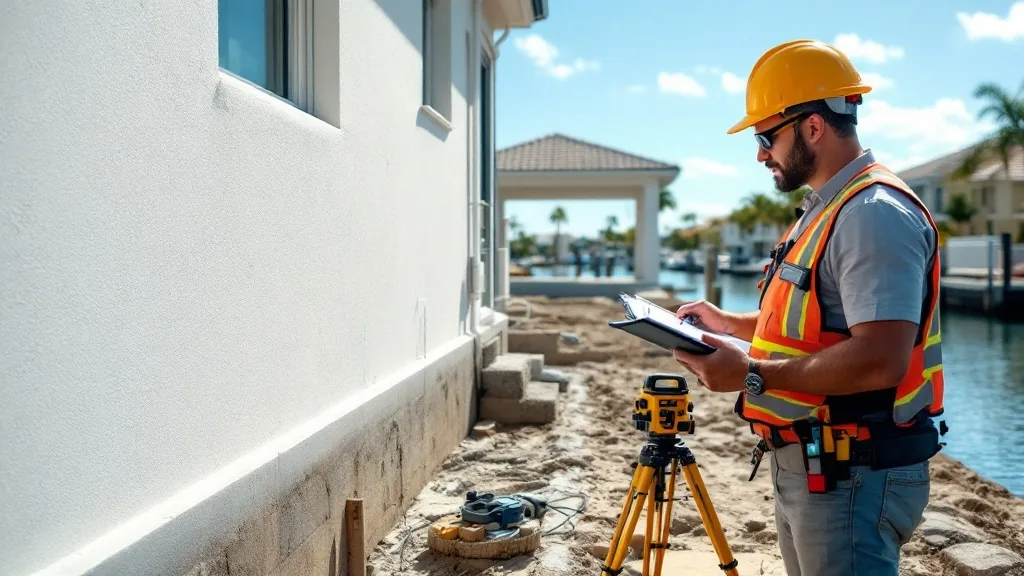

Elevated home flood zone inspection South Florida — licensed GC inspector measuring foundation elevation on waterfront property
Florida flood insurance policy cost review — insurance advisor showing flood insurance premium breakdown to South Florida homebuyer
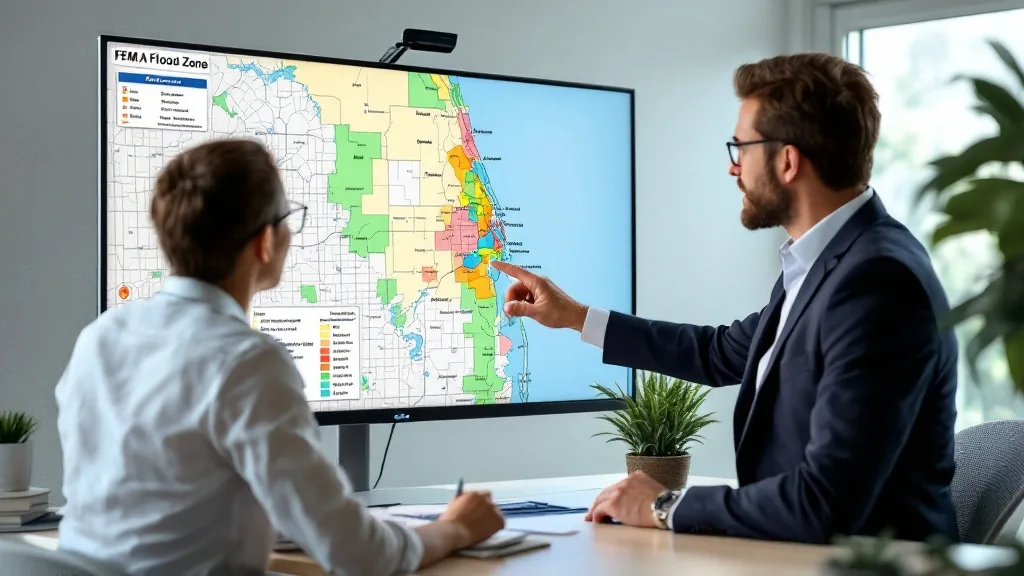
FEMA flood zone map review Florida — real estate advisor pointing to flood zone designations on FEMA flood map for South Florida property

As of October 1, 2025, Florida law requires sellers to provide buyers with a flood disclosure form for any lease or sale — a new legal requirement that means flood history and flood zone status must be disclosed before contract. This change makes flood zone knowledge more important now than at any point in South Florida real estate history.

The FEMA Flood Zone Designations — Plain English

ZoneRisk LevelFlood Insurance Required?What It Means
Zone X (shaded)Moderate (0.2% annual)No (recommended)500-year floodplain. Lower risk but not no risk. Insurance is available and often affordable
Zone X (unshaded)MinimalNoOutside both 100-year and 500-year floodplain. Lowest flood risk designation
Zone AEHigh (1% annual)Yes (if federally financed)100-year floodplain with established base flood elevations. Most common high-risk zone in inland South Florida
Zone AHigh (1% annual)Yes100-year floodplain without established elevations. Lender requires insurance. Less data available for elevation certificates
Zone VEHighest (coastal wave action)YesCoastal high hazard zone with wave action risk. Highest insurance costs. Common in beachfront and barrier island properties
Zone AH / AOHigh (shallow flooding)YesAreas of shallow ponding or sheet flow flooding. Common in interior South Florida

How to Look Up Any Property's Flood Zone

Before making an offer on any South Florida property, check the flood zone designation. Two methods:

  • FEMA Flood Map Service Center: msc.fema.gov — enter any address to see the current FEMA flood map and zone designation. Free and publicly available
  • Miami-Dade / Broward / Palm Beach GIS portals: Each county's property appraiser website shows flood zone information for individual parcels, often with more detail than the FEMA map
  • Elevation Certificate: For properties in high-risk zones, an Elevation Certificate from a licensed surveyor provides the precise floor elevation relative to the Base Flood Elevation — and is used to calculate accurate flood insurance premiums

What Flood Insurance Actually Costs in South Florida

Flood insurance is separate from standard homeowners insurance and must be purchased separately. FEMA's National Flood Insurance Program (NFIP) is the primary option, though private flood insurers have entered the market in recent years. Key cost factors:

  • Zone X properties: Optional flood insurance typically runs $500–$1,500/year through NFIP or private carriers
  • Zone AE (inland): $1,500–$4,000/year depending on the property's elevation relative to the Base Flood Elevation. Properties elevated above BFE pay less; properties below pay significantly more
  • Zone VE (coastal): $3,000–$10,000+/year. Coastal high-hazard zones carry the highest premiums due to wave action risk beyond simple flooding
  • FEMA Risk Rating 2.0: FEMA updated its flood risk pricing methodology in 2021. Some properties saw significant rate increases; others saw decreases. Verify the current premium directly — historical rates may be misleading
Private Flood Insurance — Often Cheaper Than NFIP in 2026

Private flood insurance has become a meaningful competitor to NFIP in South Florida. For properties with good elevation profiles, private market rates can be 20–50% below NFIP rates for comparable coverage. Always get a private flood quote alongside the NFIP quote before deciding which to purchase. Your insurance broker can run both simultaneously.

What I Look For as a Licensed GC on Flood Zone Properties

A property's FEMA zone designation tells you the statistical risk category. What I look for on the ground, as a licensed contractor, tells you the actual drainage reality of a specific property:

  • Lot grade and drainage patterns: Does the lot slope toward the home or away? Are there drainage swales, French drains, or retention areas? Properties that are technically in Zone X can still flood if drainage is inadequate
  • Evidence of past water intrusion: Staining on the foundation, efflorescence on CBS block, water marks in the garage or utility area, soft flooring above a slab — all signs of historical water issues that the FEMA zone didn't predict but the property experienced
  • Elevation of the finished floor relative to surrounding grade: A home built with the finished floor 12 inches above grade in a neighborhood that floods 4 inches is protected. One built at grade is not
  • Proximity to canals and retention ponds: In South Florida, every canal has a design capacity. Properties within 200 feet of a canal deserve extra scrutiny during heavy rain seasons
  • Air handler and electrical panel elevation: In a flood event, the first systems to fail are those closest to the floor. HVAC air handlers in the garage at ground level are far more vulnerable than those in a utility closet elevated 18 inches above the slab
Free · No Credit Check · 2 Minutes
Wondering What Programs You May Qualify For?

Answer a few simple questions and discover homebuyer programs, financing options, grants, and next steps — tailored to your South Florida situation.

Take The Homebuyer Qualification Quiz ›

The New Florida Flood Disclosure Law — October 2025

As of October 1, 2025, Florida law (HB 1049) requires sellers to provide buyers with a flood disclosure form covering:

  • Whether the property has ever flooded from an external source (storm surge, overflow, tidal flooding, rainfall)
  • Whether the property is in a Special Flood Hazard Area (SFHA)
  • Whether the property has ever had a flood insurance claim paid
  • Whether the seller has received any FEMA flood mitigation assistance

This disclosure is separate from the standard seller's disclosure and must be delivered before or at contract. As a buyer, read this form carefully and ask specific questions about any "yes" answers before proceeding. A disclosed flood history dramatically changes the insurance quote, the financing options, and the renovation scope you should budget.


Frequently Asked Questions
Do I have to buy flood insurance in South Florida?
If your property is in a FEMA Special Flood Hazard Area (Zone AE, A, VE, AH, or AO) and you have a federally-backed mortgage (FHA, VA, USDA, Fannie Mae, Freddie Mac), your lender legally requires you to purchase flood insurance. For properties in Zone X (moderate or minimal risk), flood insurance is not required but is often recommended given South Florida's weather patterns.
How do I know what flood zone my property is in?
Check FEMA's Flood Map Service Center at msc.fema.gov — enter the property address and the current flood map panel will show the zone designation. Your county's property appraiser website also shows flood zone information. For a formal determination, your lender will order a flood certification (included in closing costs) that officially establishes the zone designation for the loan.
Can a property's flood zone change?
Yes — FEMA periodically updates its flood maps (called FIRM updates). When a new map takes effect, properties can be added to or removed from Special Flood Hazard Areas. Local drainage improvements, new elevation data, or coastal studies can trigger map changes. If your property is added to an SFHA after you buy it, your lender will require you to purchase flood insurance. If removed, you can cancel your flood coverage but may want to consider maintaining it voluntarily.
What is the new Florida flood disclosure law?
Effective October 1, 2025, Florida HB 1049 requires sellers to provide a flood disclosure form to buyers before or at contract — disclosing whether the property has ever flooded from an external source, whether it is in a Special Flood Hazard Area, whether flood insurance claims have been paid, and whether FEMA mitigation assistance has been received. This is a significant change from prior law and means buyers now have legal entitlement to flood history information that was previously voluntary to disclose.
Silo 3 — Contractor & Inspection Authority
Flood Zones
Start Your City Property Search
Renovation & Cost Tools
Buyer Resources
Written & Reviewed By
Roland Ruiz
Real Estate Advisor & Licensed General Contractor
FL RE License SL3289724 Licensed General Contractor KW Premier Properties 20+ Years South Florida

Roland Ruiz is a licensed Florida Real Estate Sales Associate (SL3289724) and a 20-year licensed General Contractor affiliated with Keller Williams Premier Properties in Miami. His dual background — the only active combination in South Florida real estate — means every buyer gets a permit-history review, construction quality assessment, and renovation cost estimate built into the transaction at zero additional cost.

Roland specializes in DR Horton new construction in the Homestead corridor, value-add multifamily across Miami-Dade, Broward, Palm Beach, and Collier counties, and Wynwood/Magic City T6 zoning acquisitions for investors targeting vertical density. He writes from active deal experience — not theory.

RE License
FL Sales Associate · SL3289724
GC Experience
20+ Years · Licensed & Active
Brokerage
Keller Williams Premier Properties
Office Address
11440 N Kendall Dr, Ste 405
Miami, FL 33176
Service Areas
Miami-Dade · Broward · Palm Beach · Collier
Specialties
New Construction · Multifamily · FHA/DPA · Wynwood T6
Florida Licensed Real Estate Sales Associate — License SL3289724 · DBPR Florida · Active
Florida Licensed General Contractor — 20+ years active · Specializing in South Florida residential and commercial construction
Keller Williams Premier Properties — 11440 N Kendall Dr, Suite 405, Miami FL 33176
Active Market Coverage — Miami-Dade · Broward · Palm Beach · Collier · South Florida since 2018
Take Action Today

Ready To Take
The Next Step?

Roland answers his own phone. No gatekeepers, no referrals to a junior agent. 20 years as a licensed General Contractor means you get a real assessment — not just a showing.

📞
Direct Line
305.731.0387
✉️
💬
WhatsApp
Message Roland
📅 Schedule Free Consultation
Send a Message

🔒 No spam. Roland responds personally within 24 hours.

Message Received!

Roland will be in touch within 24 hours.
For urgent inquiries, call 305.731.0387

Silo 5 — GC & Inspection
GC & Inspection Guides
GC Homebuyer Guide — Hub Inspection Red Flags South FL 4-Point Inspection Florida Wind Mitigation Inspection Permit Problems Florida
Buyer Resources
How to Buy a Home in South Florida DPA Grants Directory FHA Loan Requirements 2026 First-Time Buyer Checklist GC Homebuyer Guide
Investor Resources
South Florida Investor Guide Value-Add Multifamily Miami-Dade South Florida Cash Flow Calculator
Your Next Step

Ready To Take The Next Step?

Find out which South Florida homebuyer programs and financing options may fit your situation — in 2 minutes, no credit check required.

Start The Homebuyer Qualification Quiz
Free · Instant Results · Roland Reviews Every Submission
✅ Check Your Eligibility