Why South Florida Is a High-Risk Mold Environment
Mold requires three things: moisture, an organic food source (drywall paper, wood framing, dust), and temperatures above 40°F. South Florida provides all three in abundance — year-round. Average relative humidity runs 70–80%. Average temperatures never drop below mold's growth threshold. And any moisture intrusion event — a roof leak, an AC condensate backup, a plumbing failure — provides sustained moisture to organic building materials before it's discovered.
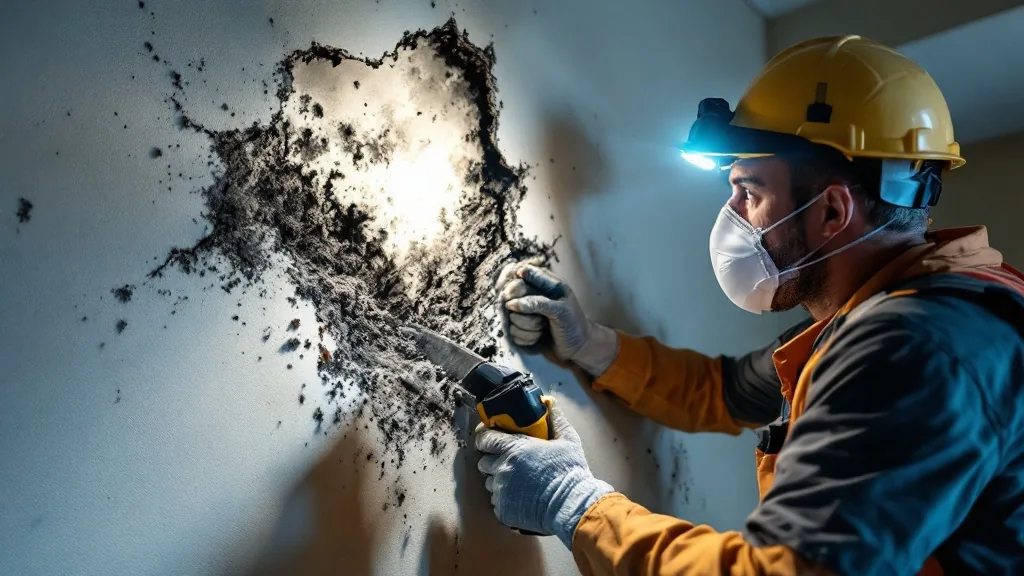
The specific South Florida mold risk factors that I check on every pre-purchase walkthrough:
- AC condensate system failures: The most common source of hidden mold in South Florida homes. Your AC system removes moisture from the air continuously. That moisture condenses and drains through a condensate line. If that line clogs — which happens regularly in South Florida's algae-rich humidity — water backs up and overflows inside the air handler, dripping into the wall cavity, ceiling, or floor below. Days of slow overflow before anyone notices = significant mold growth inside walls
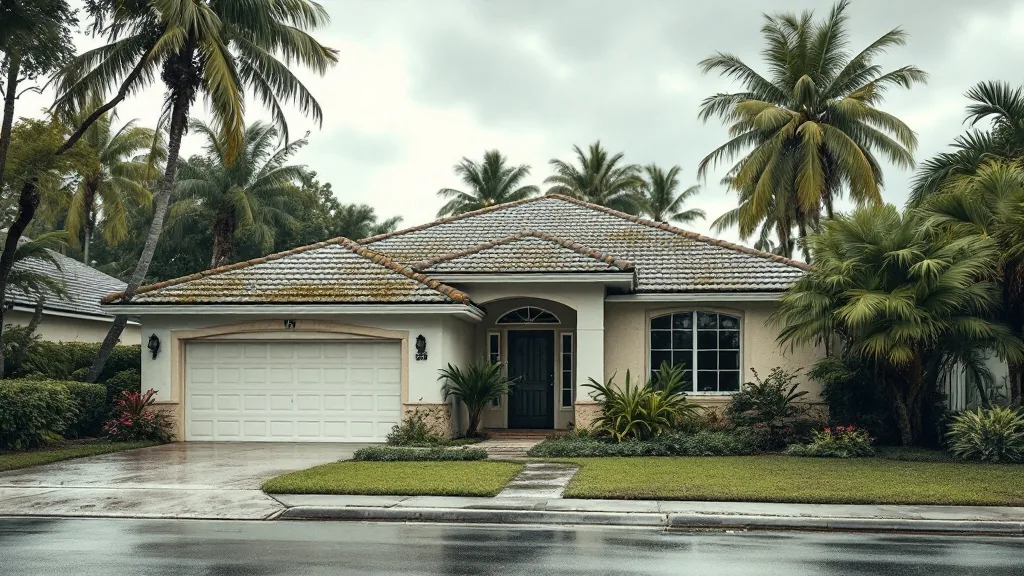
- Roof leaks reaching ceiling cavities: A small roof leak that penetrates the decking and drips slowly into the attic can grow mold on attic framing for months before visible ceiling staining appears. By the time the ceiling shows a stain, there may be substantial mold growth above it
- Bathroom and kitchen moisture without adequate ventilation: Older South Florida CBS homes often have inadequate bathroom ventilation. Steam from showers condenses inside wall cavities behind tile — a chronic, slow moisture source that produces mold behind tile that looks perfect from the surface
- Window and door frame failures: Caulk failures and weatherstripping failures at windows and doors allow wind-driven rain infiltration. The water runs behind the interior trim into the wall framing — invisible until a full wall teardown
- Flood and hurricane damage: South Florida has experienced multiple significant flood and hurricane events. Homes that flooded and were "dried out" quickly by sellers or prior owners may have mold growth that was cosmetically concealed rather than properly remediated
Where Mold Hides in South Florida Homes — The GC Checklist
These are the locations I specifically investigate on every pre-offer walkthrough:
- Behind and under the AC air handler: Check the secondary drain pan under the air handler. Any standing water, water staining, or rust indicates past or current overflow. Pull the air filter and look inside the air handler for visible mold on the evaporator coil, insulation lining, and drain pan surfaces
- Inside closets on exterior walls: The corner of an exterior wall, where insulation may be thin or compromised, is a chronic cold-spot condensation location. Open every exterior-wall closet and look at the back wall and floor corner for staining or discoloration
- Under bathroom sink cabinets and around toilet bases: Slow leaks under sinks are chronic in South Florida's humid environment. Check the cabinet floor for softness, delamination, or staining. Check the toilet base for any soft flooring or staining that indicates a failing wax ring
- Behind shower walls at the base: Tile that has failed grout or caulk at the shower base or tub surround allows water infiltration into the framing below. From the exterior of the shower, look for any discoloration, soft areas, or movement in the wall surface adjacent to the shower enclosure
- Attic — roof deck and framing: Any accessible attic inspection should include looking at the underside of the roof deck and rafters for dark staining, fuzzy growth, or discoloration. Active mold on roof framing indicates either a past roof leak that wasn't fully addressed or inadequate attic ventilation
- Behind kitchen appliances and refrigerators: Refrigerator supply line failures and ice maker line failures are a frequent slow-leak source. Pull the refrigerator out and check the wall and floor behind it for staining or soft drywall
- Lower portions of exterior walls in rooms that have been repainted recently: As covered in the Red Flags guide — fresh paint on only the lower wall sections is a classic concealment sign. Mold remediation that didn't address the cause, just painted over the evidence
Mold Testing — What's Worth Doing
Mold testing creates paper evidence and identifies mold species, but it has limitations as a purchase decision tool:
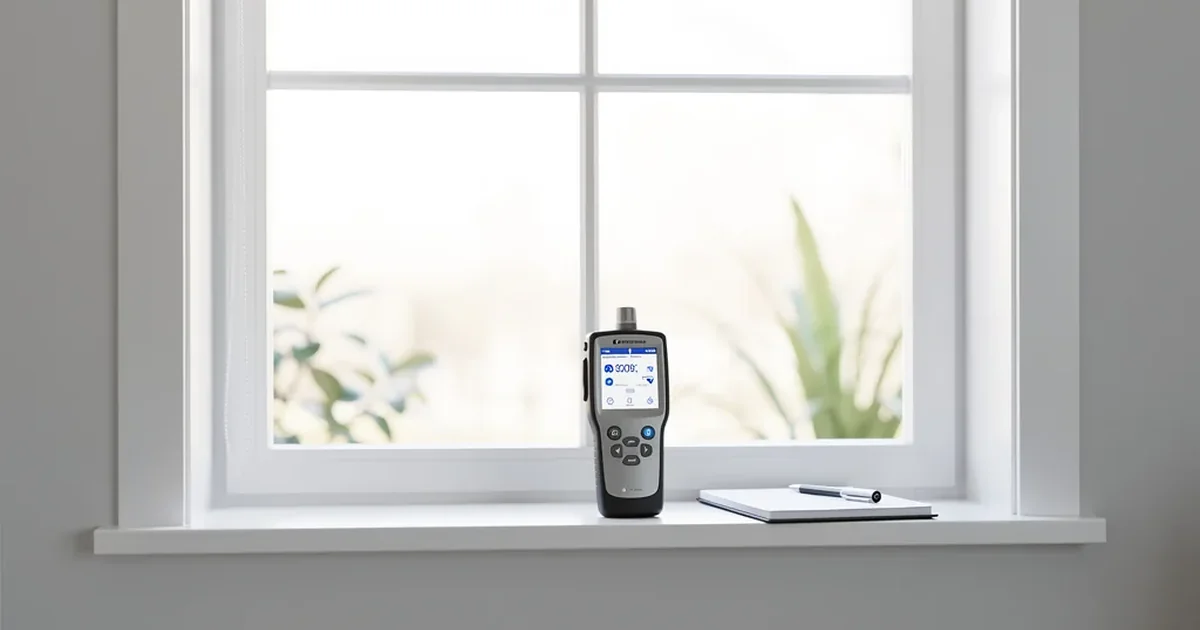
- Air sampling: A certified mold assessor takes air samples inside and outside the home and compares spore counts. Elevated indoor counts vs. outdoor baseline indicate active mold growth somewhere in the building. Cost: $300–$600. Useful for establishing whether mold is present, but doesn't tell you where or how much
- Surface sampling / tape lift: Direct sampling from visible suspected growth identifies the mold species. Knowing the species (Stachybotrys — "black mold" — vs. Cladosporium or Penicillium) affects remediation requirements and potential health concern severity. Cost: $150–$300 per sample
- Thermal imaging: An infrared camera identifies temperature differentials behind walls that indicate moisture — without opening walls. Useful for identifying where moisture is present without destructive investigation. Many mold assessors include this with their inspection
- When not to test first: If there is visible mold growth or a definitive musty smell in a specific area, skip the testing and go directly to a remediation assessment. Testing tells you what you can already see and smell. Get a remediation contractor's scope and cost estimate instead
Answer a few simple questions and discover homebuyer programs, financing options, grants, and next steps — tailored to your South Florida situation.
Take The Homebuyer Qualification Quiz ›Mold Remediation Cost Ranges — South Florida 2026
| Scope | Description | Cost Range |
|---|---|---|
| Minor — Surface mold only | HVAC coil cleaning, bathroom grout/caulk, small isolated areas | $500–$2,000 |
| Moderate — Single room | Wall cavity mold behind one bathroom or closet, containment, drywall replacement | $2,000–$6,000 |
| Significant — Multiple rooms | HVAC duct contamination + multiple wall cavities, post-remediation testing | $6,000–$15,000 |
| Severe — Structural mold | Framing replacement required, attic decking, extensive wall cavity mold | $15,000–$40,000+ |
| HVAC system replacement (mold-contaminated) | Full system + duct replacement if mold contaminated | $8,000–$18,000 |
Mold remediation is only permanently effective if the moisture source is identified and eliminated before remediation. A remediation contractor who cleans mold without fixing the root cause (the condensate line, the roof leak, the window seal failure) is billing you for temporary results. Within 6–12 months, the mold returns.
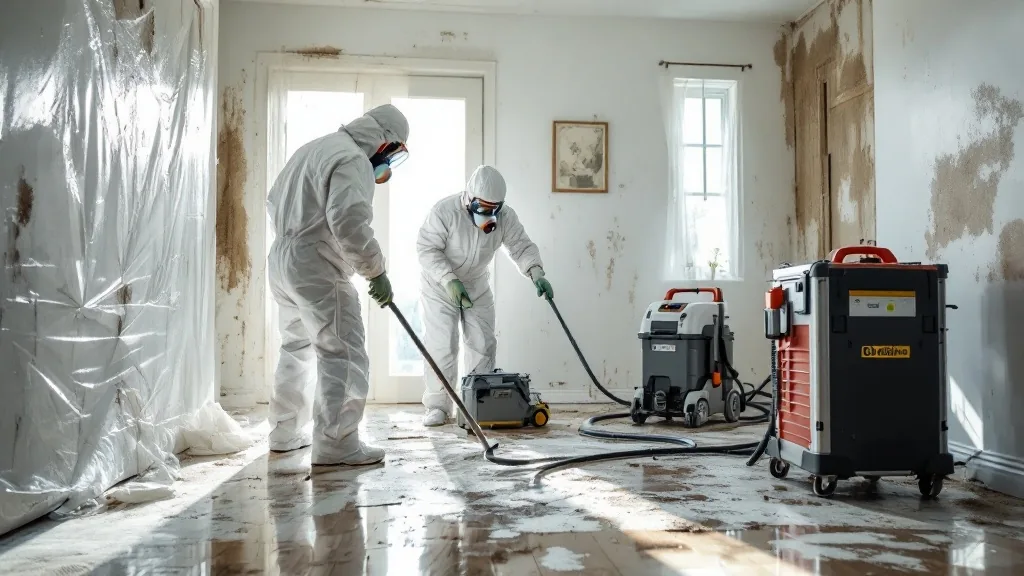
I verify that any prior remediation on a property includes documentation of both the remediation scope AND the moisture source correction — not just a clean air test post-remediation.