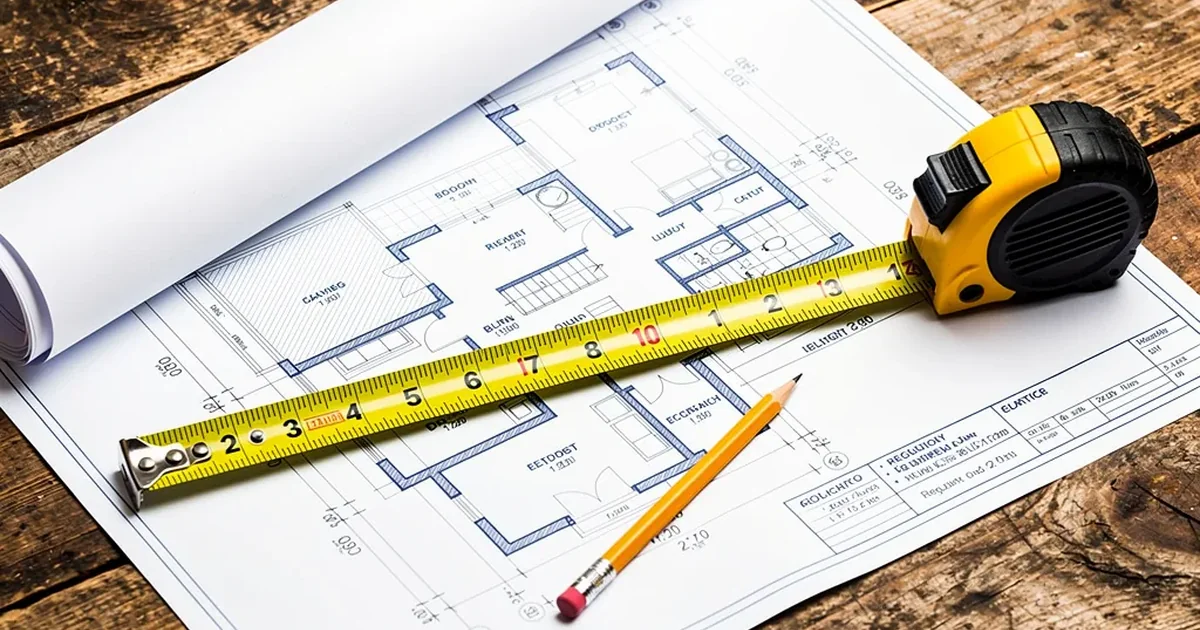
What Is Unpermitted Work and Why Does It Matter
Any structural modification, addition, or significant system change to a property requires a building permit in Florida. A permit creates a public record of the work and triggers a required inspection — ensuring the work was done to code by a licensed contractor. Work done without a permit is unpermitted (also called "non-permitted" or "illegal addition" depending on the scope).
Why it matters to buyers: unpermitted work passes with the property — to you. When you buy a home with an existing unpermitted addition, you acquire the liability. The county can require you to bring the work to code, retroactively permit it, or demolish it entirely. The previous owner's decision to skip the permit becomes your problem and your expense.
Most Common Unpermitted Work in South Florida
- Screened enclosures and patio covers: The most common unpermitted addition in South Florida. Adding a screened porch, patio cover, or Florida room over an existing slab is simple construction — but requires a permit for wind load compliance. Many owners install these without permits because the work is visible and immediate; the permit process takes weeks
- Garage conversions: Converting a garage to a bedroom, den, or living space is extremely common in South Florida's affordable housing markets. It increases living square footage without adding to the footprint. Requires permits for structural changes, egress windows, AC extension, and electrical. Done without permits, the "extra room" may have no proper egress, inadequate electrical, and ventilation that doesn't meet code
- Carport enclosures: Enclosing a carport to add living space or a laundry room. Similar permit requirements to garage conversions
- Bathroom additions: Adding a bathroom requires permits for plumbing, electrical, and structural. Unpermitted bathrooms may have undersized drain lines, improper venting, or electrical installations that create fire risk
- Electrical panel upgrades and new circuits: Homeowners adding circuits or upgrading service themselves, or hiring unlicensed electricians, frequently skip permits. These installations may not meet current code and may not be properly grounded or protected
- Roof replacements without permits: As covered in the roof guide — unpermitted roof replacements mean no inspection for code compliance, no wind mitigation documentation, and potential insurance disqualification
- Pool additions: Pools almost always require permits, but older pool additions in South Florida were sometimes done in stages — the pool permitted, the enclosure or decking not. Check permit history carefully for any pool property
How to Search for Permits in South Florida
Every Miami-Dade, Broward, and Palm Beach county permit is publicly searchable online. I pull permit history on every property before making an offer recommendation:

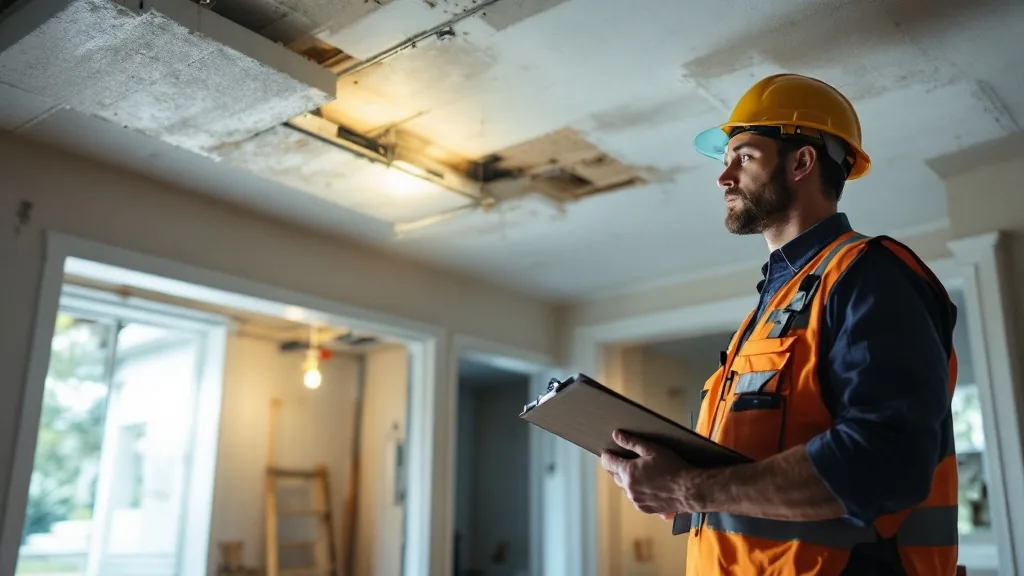
- Miami-Dade: miamidade.gov/permits → Permit Search by address. Shows all permits, inspection status, and final disposition (passed inspection, failed, or open/no final)
- Broward: epermitonline.broward.org → Address search shows permit history
- Palm Beach: pbcgov.com/pzb → Building permit search by address
- Municipal permits: If the property is within an incorporated municipality (City of Miami, Homestead, Florida City, etc.), check the city's own permit portal in addition to the county — some municipalities maintain separate records
Open permits with no final inspection: A permit was pulled, work was done, but the final inspection was never passed. The work may or may not be to code — and the permit is still technically open. Open permits can affect title transfer in some circumstances.
No permits for additions that physically exist: Compare what the permit record shows (square footage, structure types) to what physically exists. A screened enclosure that appears on no permit record is unpermitted. A room addition that was never permitted can affect insurance coverage and appraisal value.
Permit gaps in renovation activity: A major flip renovation with permits only for cosmetic items (painting, flooring) but no permits for electrical work, plumbing, or structural modifications is a red flag — the substantive work was likely done without permits.
What I Look For as a GC — On-Site Signs of Unpermitted Work
- Square footage discrepancy: If the tax record shows 1,400 sq ft but the home feels larger — compare the tax record/appraisal square footage to what's on the ground. Extra square footage that isn't on the tax record is often an unpermitted addition
- Mismatched construction quality between original and added sections: An addition done without permits often shows different block types, different stucco texture, different ceiling heights, or different flooring that doesn't match the original structure
- Electrical outlets or fixtures that appear newer than the home's era: New outlets in a 1970s garage conversion that are on a circuit that runs back to the original panel without additional breakers means the circuit was added informally
- Garage that lacks the standard garage door opening: A garage that has been converted will often have the door opening blocked or modified. Compare the exterior footprint to the interior layout
- Mechanical systems that extend into areas that don't match the original HVAC permit: AC supply registers in a room that wasn't part of the original permitted construction but has no addition permit means the extension was unpermitted
Answer a few simple questions and discover homebuyer programs, financing options, grants, and next steps — tailored to your South Florida situation.
Take The Homebuyer Qualification Quiz ›Legalization vs. Demolition — The Cost Decision
When unpermitted work is discovered, there are two paths:
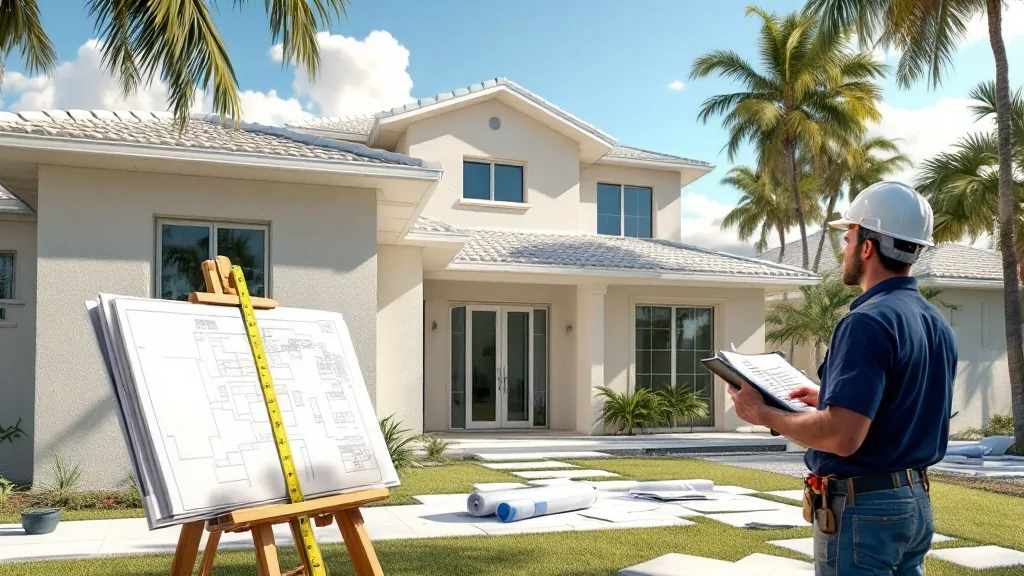
- Retroactive permitting (legalization): File for an "after-the-fact" permit, submit as-built drawings, and schedule county inspections. If the work meets current code, it passes and is recorded. If it doesn't meet code, corrections are required before it passes. Legalization cost: $2,000–$15,000 for a typical screened enclosure or room addition, including permit fees, engineer drawings, and any code corrections. Timeline: 2–8 weeks
- Demolition of non-conforming work: If the addition cannot be brought to code (wrong setbacks, inadequate egress, structural issues), the county may require demolition. Demolition cost for a screened enclosure: $1,500–$4,000. Demolition of a garage conversion room: $3,000–$8,000 plus restoration of original garage function
How Unpermitted Work Affects Insurance and Financing
- Insurance: Unpermitted additions are technically excluded from coverage under most homeowners policies. If a screened enclosure that wasn't permitted is destroyed in a hurricane, the insurer may deny the claim on the grounds that the structure wasn't permitted and therefore not properly reflected in the policy coverage
- Appraisal: FHA and VA appraisers are specifically trained to identify unpermitted additions. An appraiser who identifies a non-permitted addition will typically require it to be either permitted before closing or excluded from the square footage calculation — which can affect appraisal value and therefore the loan amount
- Title: Open permits and unpermitted work can complicate title transfer in some circumstances — particularly if the county has an outstanding notice of violation against the property