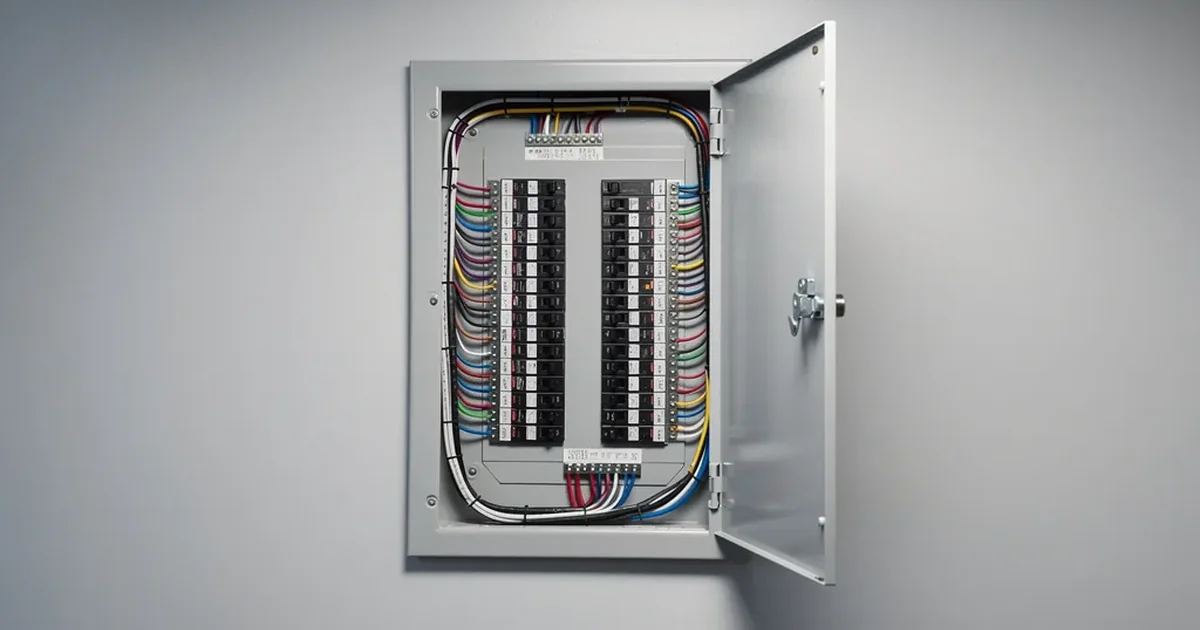
Why Electrical Panel Type Matters So Much in South Florida
Your homeowners insurance policy is not guaranteed the moment you go under contract. The insurer inspects or reviews the home's 4-point inspection report — which includes the electrical panel type — and makes a coverage decision based on what they find. For South Florida buyers on FHA, VA, or conventional financing, no insurance = no loan = no closing.
The two panel types that create the most consistent problems are Federal Pacific Electric (FPE) Stab-Lok and Zinsco — both installed heavily in South Florida during the 1960s through 1980s, both with documented safety failure modes, and both on the insurance exclusion list for most South Florida carriers.
Identifying these panels before you make an offer — not after you're under contract — is the difference between negotiating from strength and discovering a problem in week three with a closing deadline looming.
How to Identify Your Panel Type
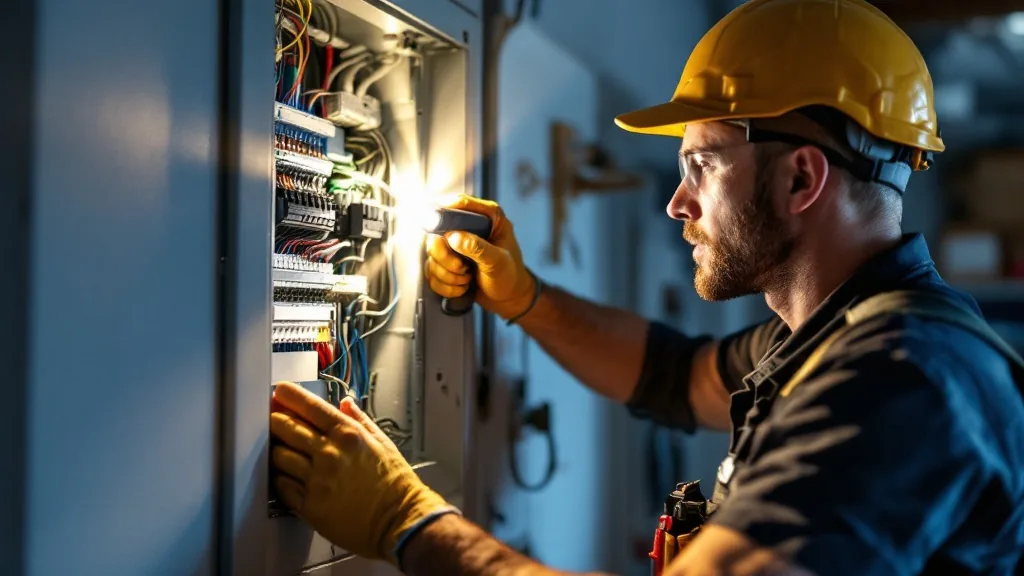
The electrical panel (also called the breaker box or load center) is typically located in the garage, utility room, or on an exterior wall of the home. Identifying it is simple:
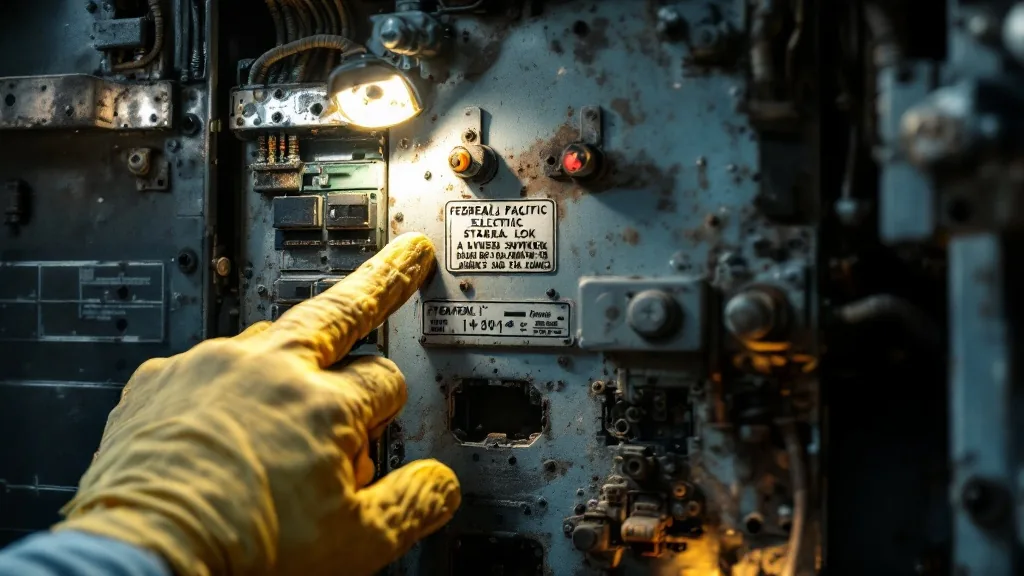
- Look at the panel door label: Most panels have the manufacturer name printed on the inside or outside of the door. Federal Pacific Electric, Stab-Lok, GTE-Sylvania, Zinsco, or the equivalent
- Look at the breaker design: Federal Pacific breakers have a characteristic "bus" design with thin breakers and a distinctive orange strip on the ON side. Zinsco breakers are identifiable by their colored (green, blue, yellow, red) face
- Count the amperage: The main breaker at the top of the panel shows the service size — 60A, 100A, 150A, or 200A. Many older South Florida homes still have 60A or 100A service, which is undersized for modern electrical loads
- Look for double-tapping: With the panel cover removed by a qualified electrician, double-tapped breakers (two wires on a single breaker designed for one) are visible. Some panel types permit double-tapping (Square D QO, for example) with specific breakers; most don't
Federal Pacific Electric (FPE) Stab-Lok — The Highest-Risk Panel
Federal Pacific Electric manufactured Stab-Lok panels from the 1950s through the 1980s. They were one of the most common panels installed in South Florida during that era. The problem: the Stab-Lok breakers are documented to fail to trip under overload conditions — the exact scenario they are designed to protect against.
Multiple independent studies, the Consumer Product Safety Commission, and extensive insurance industry data confirm that Stab-Lok panels have a significantly higher rate of failure-to-trip than other panel types. When a breaker doesn't trip on an overloaded circuit, the circuit overheats — and fires result.
Most South Florida insurance companies: Refuse to write new policies OR charge substantial surcharges. Some will insure with a written commitment to replace within 90 days of closing.
Identifying features: Brand name "Federal Pacific Electric" on panel door. Breakers have a distinctive thin profile with an orange indicator line visible when tripped. The bus is different from Square D, Eaton, or other modern panels.
Replacement cost: $2,500–$4,500 for a standard 200A panel replacement including labor, permit, and inspection. More for service upgrade from 100A to 200A simultaneously.
Zinsco / GTE-Sylvania Panels — The Other Insurance Disqualifier
Zinsco panels (also sold under the GTE-Sylvania brand) were installed in South Florida from the 1950s through the 1970s. The failure mode is different from Federal Pacific but equally serious: Zinsco breakers are documented to fuse (bond) to the aluminum bus bar over time, making them physically unable to trip.
When a Zinsco breaker fuses to the bus, it cannot be reset after a trip because it is physically bonded to the bar. More critically, it cannot protect the circuit — current flows through the breaker regardless of load. This creates persistent overload risk.
- Identifying features: Colorful breakers — green, blue, yellow, or red face plates. These distinctive colors are the most visible identifier even to non-electricians
- Insurance status: Same as Federal Pacific — most South Florida carriers refuse new policies or charge significant surcharges. Some require written commitment to replace before or shortly after closing
- Replacement cost: $2,500–$4,500 for full replacement. Some electricians offer a "Zinsco breaker replacement" (replacing individual breakers) as a lower-cost partial solution — but this does not address the bus bar fusing issue and is not accepted as an adequate remedy by most insurers
Aluminum Wiring — A Different Risk Category
Aluminum branch circuit wiring (used for 15A and 20A circuits) was installed in some South Florida homes from 1965–1973 as a cheaper alternative to copper. This is different from aluminum service entrance conductors (the large wires coming from the utility to your panel), which are standard and not a concern.
The issue: aluminum and copper have different coefficients of thermal expansion. At connection points — outlets, switches, wire nuts — the differential expansion and contraction over decades loosens connections, creating arcing risk. This is a fire hazard that has resulted in significant losses nationwide.
- Identifying features: Small gauge aluminum wire inside outlet boxes and switch boxes. Aluminum wire has a characteristic silver color and is marked "AL" on the wire sheathing. Best verified by a licensed electrician opening a representative sample of outlet boxes
- Insurance status: Not an automatic disqualifier like FPE or Zinsco, but most insurers require documented remediation. Two accepted approaches: CO/ALR-rated devices at every outlet and switch (accepts aluminum connections), or complete rewiring to copper
- Remediation costs: CO/ALR device replacement at all outlets and switches: $1,500–$4,000 depending on home size. This is the cost-effective approach that satisfies most insurers. Full rewire: $8,000–$20,000
Answer a few simple questions and discover homebuyer programs, financing options, grants, and next steps — tailored to your South Florida situation.
Take The Homebuyer Qualification Quiz ›Good Panels — What You Want to See
Modern panels from reputable manufacturers with no documented safety issues:
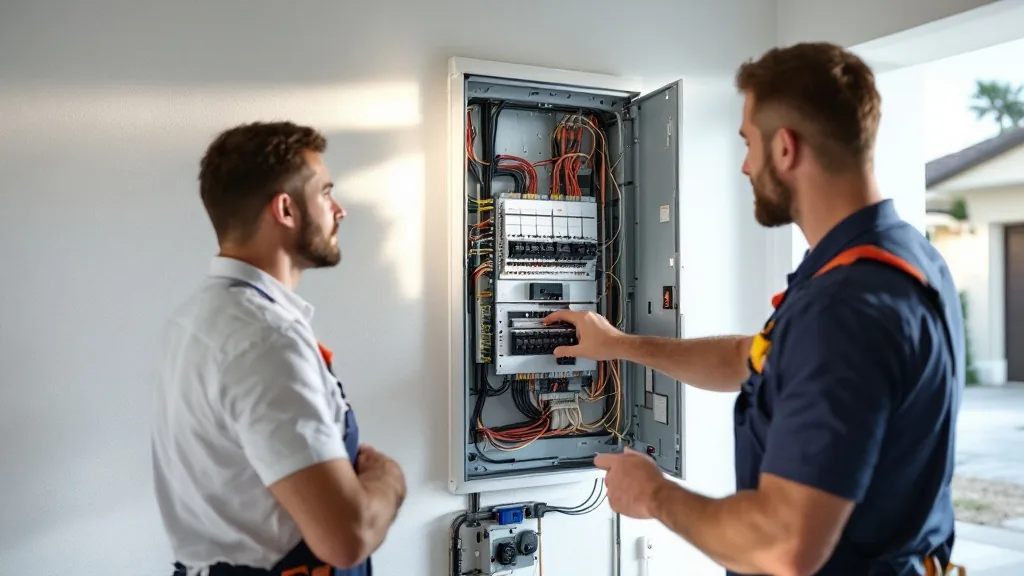
- Square D (QO or Homeline series): The gold standard. Square D QO breakers have the best trip accuracy. Widely accepted by all insurers. The preferred panel specification on new construction
- Eaton (Cutler-Hammer or BR series): Solid, insurable, widely used in South Florida new construction. No documented safety issues
- Siemens: Reliable, insurable, standard specification in commercial and residential construction
- Murray and Westinghouse: Older but acceptable panels with no documented systematic failure modes. Some insurers may require these be assessed for age and condition but won't automatically decline
Double-Tapped Breakers — Usually Fixable Without Panel Replacement
Double-tapping (two wires on a single breaker designed for one) is one of the most common electrical deficiencies found in South Florida homes — and usually one of the most affordable to fix. Cost: $400–$1,200 depending on the number of violations and whether the fix requires a tandem breaker or a new circuit.
Important exception: In Square D QO panels, certain breakers are designed to accept two conductors — these are not violations. An electrician familiar with the specific panel type can accurately assess whether a double-tap is a code violation or an engineered tandem.