Read slowly. This is not a race to get approved or start touring homes. The goal is to understand the decision before you move deeper into the process. Pause when a question makes you think. Continue only when the meaning feels clearer.
That buying a home is a life decision expressed through a financial process — and that understanding the meaning of the decision before starting the transaction is what separates prepared buyers from overwhelmed ones.
Where You Are Likely Standing Right Now
You may be starting this lesson with excitement. You may also be starting with fear. Both are welcome here.
You may have already looked at homes online. You may have saved pictures, compared neighborhoods, imagined a kitchen, a yard, or a place that finally feels like yours.
You may also be running numbers in your head — credit score, monthly payment, closing costs, insurance, whether any of this is actually possible.
Excitement does not make you careless. Fear does not make you unprepared. Both are normal when a person is approaching a decision that affects their money, their family, their future, and their peace.
This lesson begins before the mortgage application. It begins before the property search. It begins before the offer. It begins with meaning.
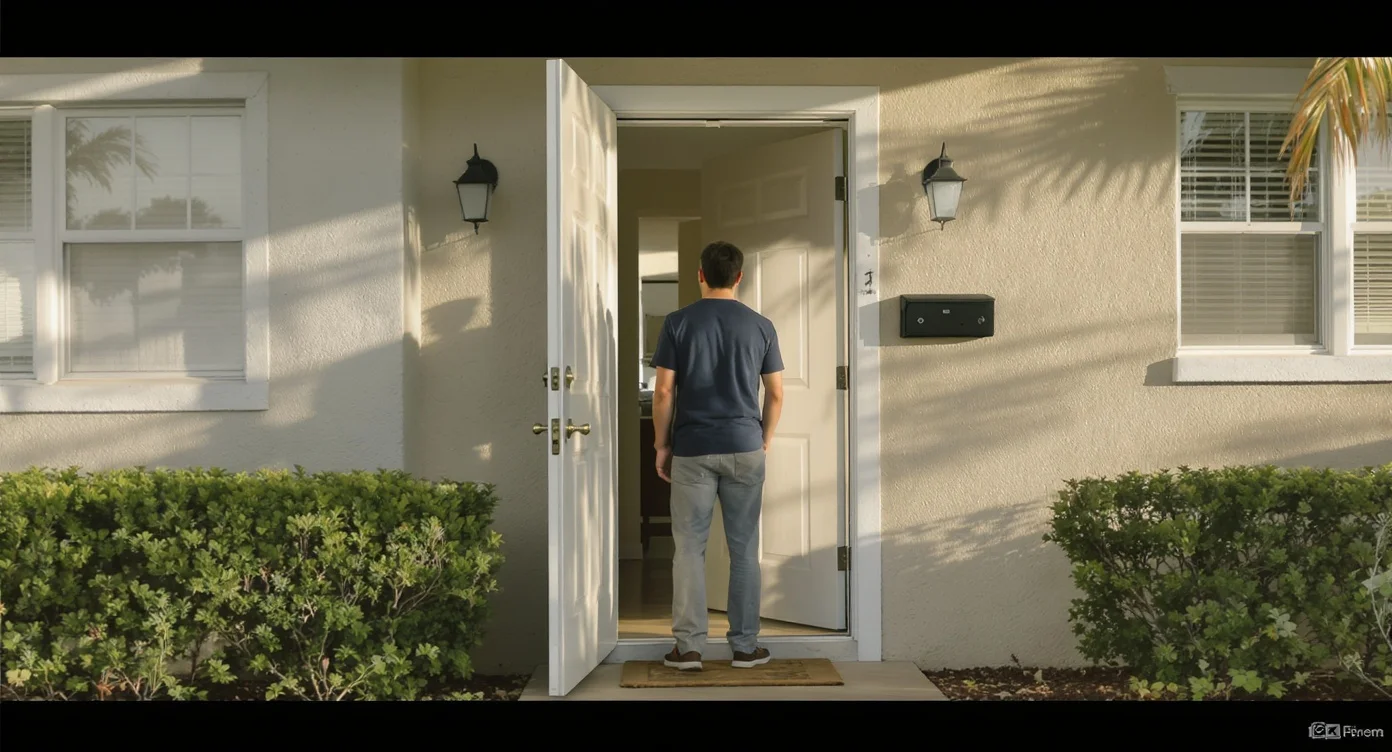
What Most First-Time Buyers Are Taught — And What They Miss
Most first-time buyers are taught to think that buying a home means two things: finding a property you like and getting approved for a loan.
That is part of the process. But it is not the whole process.
When buying is reduced to a house and a loan, the student may believe the decision is only about price, bedrooms, bathrooms, interest rate, and monthly payment. Those things matter. But they do not explain the full decision.
Buying a home means stepping into a new relationship with responsibility.
Your housing decision becomes permanently connected to your monthly life, your long-term planning, your maintenance obligations, your insurance reality, your location, your commute, your family needs, and your future flexibility.
A home is not only something you purchase. A home becomes something you live with — for years.
The Homebuying Process Is Not One Door — It Is a Series of Rooms
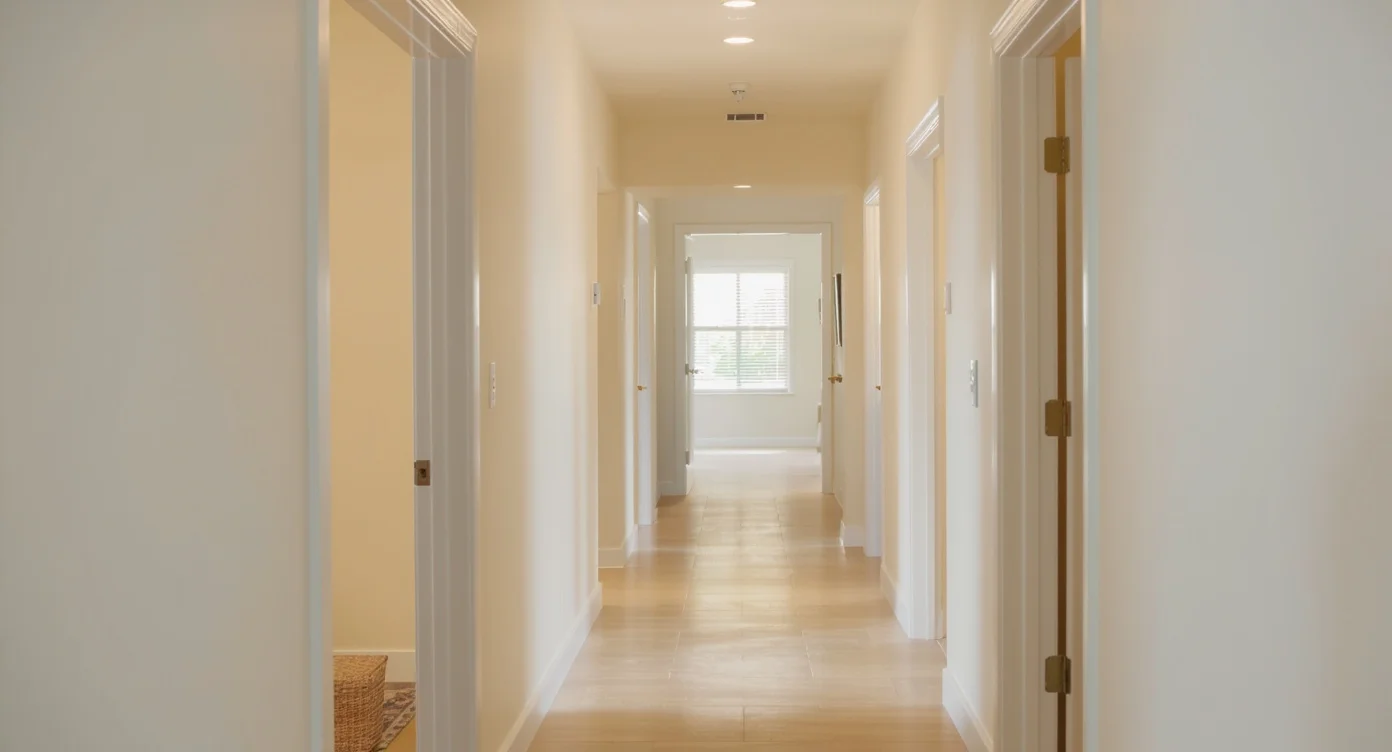
The homebuying process is often described as if it were a single doorway: get approved, find a house, close. Walk through, you're done.
For a first-time buyer, that description is not useful. A more useful way to understand the process is as a series of rooms. Each room asks something different from you. Each room teaches something. Each room requires a different kind of understanding.
The first room is not financing. The first room is meaning.
Until you understand the meaning of the decision, the numbers can feel louder than they should, and the house can feel more powerful than it is.
What Buying a Home Actually Means
Buying a home means you are making a decision about shelter, stability, responsibility, and direction.
It means you are choosing where your life will happen for a season of time. It means you are choosing a monthly obligation that must coexist with food, transportation, family needs, emergencies, savings, repairs, insurance, and peace.
When you understand this, you stop only asking "Can I buy this?" and start asking better questions:
- Can I live with this payment when life is not perfect?
- Does this home support the life I am trying to build?
- Do I understand the responsibilities that come after closing?
- Am I choosing from pressure, or am I choosing from understanding?
- What does this decision ask from me after the keys are in my hand?
These questions do not make the process harder. They make it clearer.
Buying a home is not only a financial transaction. It is a life decision that uses a financial process to become real. Study the transaction and you may qualify. Understand the decision and you may be ready. Those are different things.
Before continuing, pause for one moment. If you only remember one idea from this lesson, remember this: buying a home is not just choosing a property — it is choosing a responsibility that will live with you after closing.
Before You Ask If You're Ready — Ask This First
Most readiness checklists ask about credit score, income, and savings. Those things matter. But they are not the only measure of readiness.
Before any of that, ask the more human question:
"Do I understand what I am asking this home to do for my life?"
Not every home is meant to solve every problem. A home can give stability, but it cannot automatically create peace. A home can create opportunity, but it cannot remove every responsibility. The human test is not about perfection. It is about awareness.
Take a Moment Before You Continue
Do not answer these questions quickly. Let them work before you move on.
- When I think about buying a home, what feeling comes first — excitement, pressure, fear, pride, relief, or confusion?
- What do I believe owning a home will change in my life?
- What responsibility am I most prepared for?
- What responsibility do I still need to understand better?
- Am I trying to buy a home because I am ready — or because I feel behind?
There is no shame in any honest answer. The purpose is not to judge. The purpose is to help you see.
One Sentence That Tells the Truth
Before you move to the next lesson, write one sentence that begins with:
Do not write the sentence you think a lender, agent, family member, or social media audience wants to hear.
Write the sentence that tells the truth about what this decision means to you, right now.
That sentence may change as you learn. That is allowed. Understanding grows by returning to the same question with more clarity.
What Comes Next
Now that the Meaning Room has been opened, the next lesson enters the Financing Room.
In Lesson 002, you will begin learning what a mortgage actually means — what approval does and does not prove, how lenders evaluate a buyer, and why there is a difference between what you qualify for and what your life can actually carry.
For now, do not rush past this first understanding.
Buying a home is not just getting the keys. It is learning what kind of life those keys are opening.
Lesson 001 FAQ
Is buying a home only about getting approved for a mortgage?
Should I look at homes before I understand financing?
What is the main idea of this lesson?
How does this lesson connect to the homebuyer quiz?
This lesson has been created under Book One — The Philosophy of Understanding, the Realtor007.ai School Professor Teaching Standard, the completed Professor Formation Foundation Arc, and the Subject Lesson Builder Standard — AI Operating Version 1.0. It has been reviewed and approved by Roland Ruiz for professor use.
If a word, idea, or step in this lesson feels confusing, ask the School Guide to explain it in simpler language before you move forward. You don't need to figure it out alone.
The School Guide is powered by the Realtor007.ai AI assistant. Your questions stay private and are not shared with third parties.
The AHA Moment
What You Should Understand Now
Buying a home is not just the moment you find a property you like. It is the moment you begin understanding the responsibility, rhythm, cost, and life change that ownership brings. The real first step is not searching harder. The real first step is becoming clear about what this decision will ask of you.
Lesson Reflection Check
Five Questions Before You Continue
These questions are not graded. Tap each question to reveal a short guide answer and use it to check your understanding before you continue.
1 What changes in a person’s life when they move from renting or dreaming into ownership?
Renting and dreaming come with flexibility and no long-term obligation. Ownership adds responsibility, fixed costs, and a commitment to a specific place and decision.
2 Why is buying a home more than choosing a property?
A home purchase involves financing, monthly cost, condition, location, and life fit working together. Choosing a property is only one part of a much larger decision.
3 What responsibility does a buyer accept before they ever make an offer?
Before any offer, a buyer is already accepting the responsibility to understand their finances, their readiness, and what ownership will actually require of them.
4 What part of ownership feels most important for you to understand better?
This is a personal reflection question. Think honestly about which part of ownership — cost, responsibility, timing, or lifestyle — still feels unclear to you.
5 What would make you feel more prepared before moving to the financing conversation?
Most students feel more prepared once they understand the full picture of responsibility first. Lesson 002 builds directly on that foundation.
The Homebuyer Qualification Quiz helps you understand which programs and financing options fit your situation — before you talk to a lender or choose a home. Free, takes 3 minutes, no credit check.